

Most people who feel tired but can’t sleep assume something is fundamentally broken. They get into bed at a reasonable hour, close their eyes, and then nothing happens. Your brain keeps spinning, thoughts bounce around your head, and the more desperately you try to fall asleep, the further away sleep seems to drift.
The reason? Being physically tired and falling asleep are controlled by two different systems in the body. When the nervous system gets stuck in alert mode after a long, stimulating day, all the exhaustion in the world won’t flip the switch. Poor sleep hygiene, stress, medical conditions, and disrupted circadian rhythms can influence this, and for most people, it is a combination rather than one single cause.
The best way to think of sleep is like a nutrient. In the same way the body needs adequate protein, carbohydrates, and fats each day, it needs adequate sleep. Running in a sleep deficit catches up over time, just like nutritional deficiencies do.
The cultural conversation around this has started to shift. Sleep used to take a back seat to productivity, exercise, and achievement. Now there is growing recognition that sacrificing sleep to squeeze more into the day actually reduces performance and leads to burnout. Getting enough sleep is vital for your health and well-being, but so is understanding why the body sometimes refuses to cooperate even when exhaustion has well and truly set in.
Sleep Quality Matters More Than Hours in Bed

Eight hours of restless sleep will not leave someone feeling refreshed compared to six hours of genuinely good quality sleep. How long you sleep for is an important factor, but sleep quality is what determines how restored the body actually feels the next morning.
Your sleep cycle has three key types of sleep:
- Deep sleep handles physical healing and repair
- REM sleep is critical for cognitive function, memory consolidation, and brain processing
- Light sleep acts as the transitional phase between the two
A good night’s rest requires a solid chunk of time, not just lying horizontally.
Spending eight hours in bed means very little if the body never properly sinks into those deeper, restorative phases. When the brain and nervous system are still overactive at bedtime, sleep remains shallow. Instead of cycling through deep sleep and REM, the body hovers in the lighter stages all night, and that is where poor sleep quality really comes from.
Why the Nervous System Gets Stuck in Alert Mode
For most people, it comes down to stress. Life is hectic, the brain has been busy all day, and by the time bedtime comes around, nothing has been done to actually wind things down. The nervous system has been in that alert mode for hours, responding to one thing after another, and it does not just switch off because the day is over.
Cortisol and other stress hormones keep the body running in that activated state, and when someone has been operating like that for weeks or months on end, it genuinely gets in the way of falling and staying asleep. The body can be completely exhausted, but the brain just will not settle.
In naturopathic practice, this is described as “tired but wired.” Someone drags themselves through the day, finally gets to bed, and then lies there with their mind racing. The frustrating part is that poor sleep then feeds straight back into the stress response, so the whole thing loops around on itself and gets progressively harder to sort out.
How Your Circadian Rhythm Controls When You Feel Sleepy
The body’s internal clock, known as the circadian rhythm, operates on an approximately 24-hour cycle. It coordinates hormones, body temperature, and metabolism to signal when to feel alert and when to feel sleepy. Cortisol should surge in the morning to wake the body and promote alertness, while serotonin produced during the day gradually converts to melatonin in the evening to promote sleep.
When this sleep-wake cycle is disrupted, the delicate balance between alertness and sleepiness falls apart. Irregular sleep patterns, shift work, and exposure to blue light late at night can all throw the biological clock off course. Delays in the circadian rhythm lead to morning fatigue and nighttime alertness, which is exactly why some people feel tired during the day but then lie wide awake at 11pm.
Maintaining a consistent sleep schedule helps regulate the body’s internal clock and makes it considerably easier to fall asleep at a predictable time each night. Without that regularity, the brain struggles to predict what comes next, and the sleep-wake cycle drifts.
Is Sleep Hygiene Really That Important?
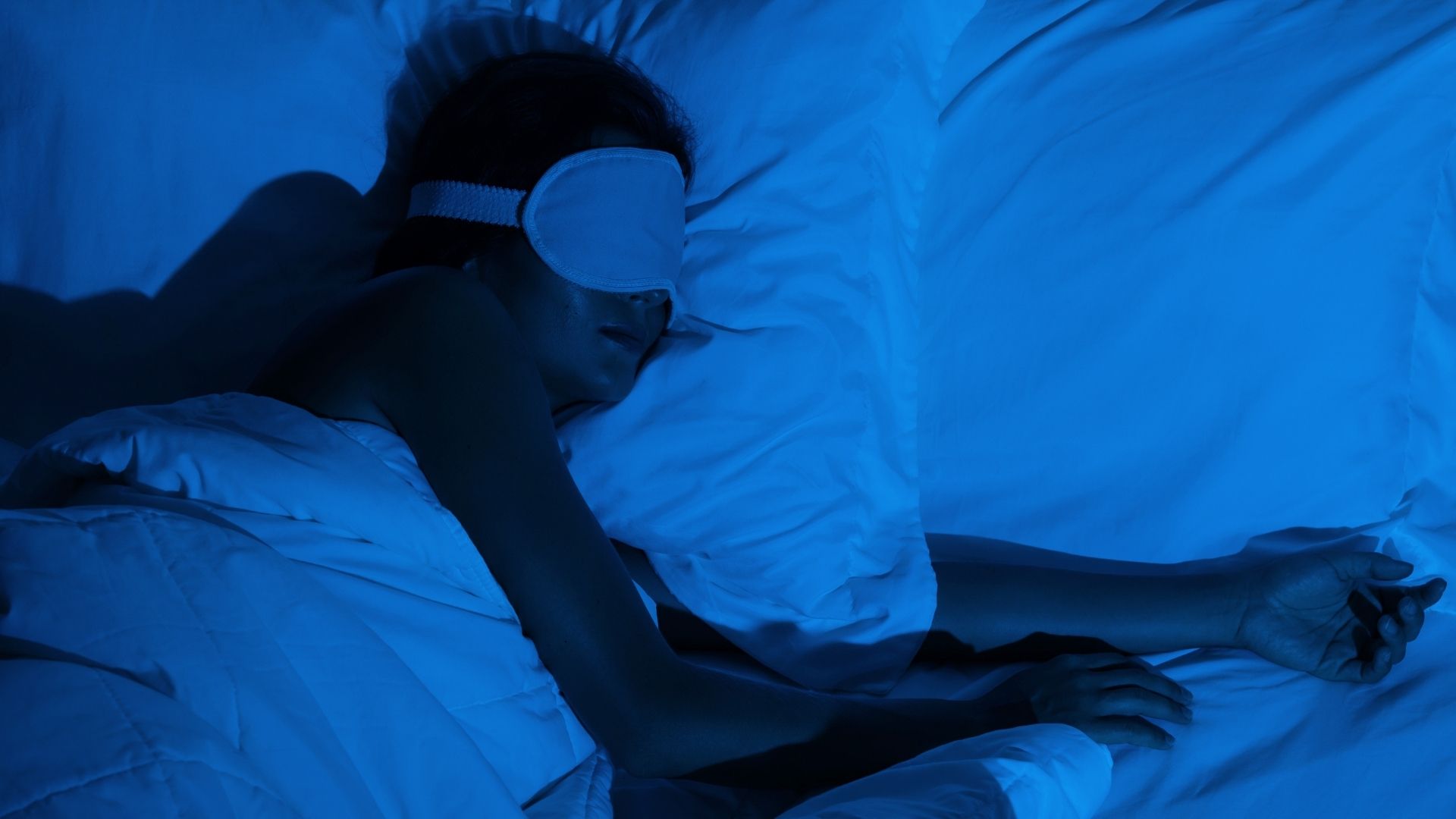
Sleep hygiene is constantly discussed, and with good reason. But it is more important for some people than others. Natural good sleepers probably do not need to worry about it much, but for people who genuinely struggle to fall asleep, good sleep hygiene becomes essential.
The reason is rooted in neuroscience. The body runs on rhythms and patterns, with neural pathways that predict what happens next. When someone follows a consistent pre-sleep routine, the brain learns the pattern and recognises the cues. It begins winding down before the person even gets into bed. But when the brain gets a whole lot of mixed signals, some people will have real trouble falling asleep.
An intentional wind-down period of roughly one to two hours before bed can make a noticeable difference. This does not need to be complicated or rigid, just consistent enough that the brain starts to associate those behaviours with sleep.
Everyone has heard about blue light filters by now, and most people already have them switched on. But the issue with screens before bed goes beyond the light itself. Scrolling, swiping, and engaging with content keeps the brain activated regardless of blue light settings. The stimulation is the problem. Getting off devices at least an hour or two before bed gives the nervous system time to actually settle, and replacing that screen time with something like reading or breathing exercises can make a real difference. Even something as simple as having a warm bath or shower works well, as being in water and having it run over the body is very naturally calming.
People who have longer, more ritualised bedtime routines tend to wind down more effectively too. Think of the classic bathroom sequence: cleanse, moisturise, skincare steps done in the same order every night. That repetitive, ritualised process actually helps the brain transition toward sleep. People with a quicker routine (wash face, brush teeth, done) sometimes find they have not really given their brains a chance to switch off.
Building small, calming steps into the pre-sleep routine trains the brain to anticipate what comes next, and over time, those neural pathways strengthen.
Natural Supplements That Support Better Sleep
Beyond relaxation techniques and sleep habits, there are natural options worth considering. The key thing with all of these is timing. Supplements and herbal teas should be taken roughly two hours before bed, so they have time to take effect. Taking something right at bedtime misses the window.
| Supplement | How It Helps | Worth Knowing |
| Chamomile tea | A calming herb that gently eases the nervous system. Easy to find at any supermarket or health food store. | A good swap for stimulating evening drinks like regular tea or coffee. |
| Valerian tea | Another calming herb commonly used for sleep support. Often combined with chamomile in ready-made blends. | Has a strong, earthy taste that not everyone loves. Capsule form is an alternative. |
| Magnesium | Has a calming effect on the nervous system. Sometimes combined with calcium, which together help regulate nervous system function. | Best taken about two hours before bed. Look for magnesium glycinate or citrate for better absorption. |
| L-theanine | An amino acid extracted from green tea that has a calming effect on excitatory receptors in the brain. Also useful for general anxiety. | Unlike alcohol, which may initially sedate but causes a rebound effect halfway through the night, L-theanine does not disrupt sleep later on. |
| Kava | A natural sedative used traditionally in Pacific Island cultures for generations. Eases nervous system activity. | Quite a common herbal sleep aid. Available in tea, capsule, or liquid extract form. |
For some people, one of these alone will not be enough. A multi-pronged approach, combining a couple of options together, may be necessary. This is completely normal and reflects real clinical experience rather than a failure of any single remedy.
Does Melatonin Actually Work?
Melatonin has become one of the most talked-about sleep supplements around, but the picture is more nuanced than most people realise. It works for people who are genuinely lacking it, and testing can confirm this, but most people are not going to go to that extent.
Many people try melatonin and find it does not improve their sleep at all. The reason is often that a melatonin deficiency was never the actual issue. For most people who feel tired but can’t sleep, the real problem is an overactive nervous system rather than insufficient melatonin production.
In Australia, melatonin is not as readily available as in other countries. For most people, it requires a prescription, though low-dose options may be available through a pharmacist in certain circumstances.
What About Prescribed Sleep Medications?
Medications like doxylamine (commonly sold as Restavit) can help induce sleep and serve a short-term purpose. If someone is not sleeping, they need to sleep, and sometimes stronger medications are necessary initially to break the cycle of sleep deprivation. But these should not become a long-term solution.
Many people report that medicated sleep does not feel as refreshing as natural sleep. The bigger picture is working out what is actually driving the sleep problem and training the body to naturally fall asleep again. Treating the symptom without addressing the root cause means the underlying factors remain, and the sleep problems tend to return.
The Caffeine Blind Spot

Something that comes up time and again with patients is the caffeine question. Afternoon and evening coffee or tea drinkers will often insist that caffeine does not affect their sleep. They have been doing it for years, and they fall asleep just fine. But caffeine has a long half-life, and when these same people stop caffeine entirely for unrelated reasons, they invariably report sleeping better. The impact on sleep quality often goes completely unrecognised. Cutting caffeine after midday is one of the simplest lifestyle adjustments someone can make for better sleep, and one of the most commonly overlooked.
How Stress, Blood Sugar, and Sleep All Connect
The relationship between stress, blood sugar, and poor sleep is often underestimated. Skipping meals or eating at irregular times forces the body to activate its stress response to keep blood sugar steady. That means cortisol and stress hormones are being mobilised not because of an emotional crisis, but simply because the body has gone too long without food.
Do this every day for long enough, and it burns the whole system out. Pair irregular eating patterns with not getting enough sleep, and the stress response becomes chronically activated, which then makes it even harder to fall asleep. Regular meal times and a consistent sleep schedule are two of the most underrated lifestyle factors for improving sleep quality and overall well-being.
When the Problem Is Sleeping Too Much, or Not Enough
Not everyone struggling with sleep is lying awake at night. Some people sleep too much and still feel exhausted, experiencing constant daytime sleepiness that no amount of rest seems to fix.
Thyroid issues, both hypothyroidism and hyperthyroidism, can cause sleep disturbances and daytime fatigue. Infections, iron, vitamin D, or vitamin B12 deficiencies, and other medical conditions can also contribute. Mental health conditions like anxiety and depression frequently prevent restful sleep and lead to daytime exhaustion.
Fatigue is a symptom of nearly every health issue. The naturopathic approach is to identify what is causing the tiredness rather than just treating the fatigue itself. Sometimes multiple factors are at play simultaneously, stacking on top of each other in ways that are not immediately obvious.
Some sleep disorders operate without the person even realising. Sleep apnea is a common one, where breathing repeatedly stops and starts during the night, preventing restful sleep without any obvious awareness.
Daytime sleepiness and poor sleep quality are often the only visible signs, and a sleep specialist may be needed to properly diagnose it. Conditions like restless legs syndrome and chronic pain can also disrupt sleep and prevent someone from reaching those deeper restorative phases.
Chronic insomnia, defined as trouble falling asleep or an inability to stay asleep at least three nights per week for three months or more, is another sleep disorder worth recognising. If sleep problems persist for more than a month or start significantly affecting daily life, speaking with a healthcare provider is a sensible next step. Cognitive behavioural therapy for insomnia (CBT-i) has become one of the most effective ways to treat insomnia without relying on medication long-term.
Building Better Sleep for the Long Run
Healthy sleep habits are not built overnight. They take consistency and a willingness to experiment with what works. Some people respond best to breathing exercises before bed, others need a warm bath, a herbal tea, or simply a longer wind-down routine. The key is finding what settles the body and mind effectively, then doing it regularly enough that the brain starts to recognise the pattern.
Daytime napping is another factor worth watching. It feels like a logical response when someone is tired during the day, but excessive napping, particularly long naps taken late in the afternoon, can actually disrupt sleep that night. Limiting naps to 20 to 30 minutes earlier in the day helps preserve nighttime sleep without completely sacrificing that midday reset. For older adults, especially, keeping daytime napping in check supports a more regular sleep schedule.
Good sleep hygiene, combined with attention to lifestyle factors like caffeine intake, stress levels, meal timing, and screen exposure, creates the conditions for better sleep. Not every strategy will suit every person, and that is perfectly fine. The goal is to build a personalised approach that consistently supports restful sleep, not to follow a rigid checklist that feels like another chore.
When poor sleep persists despite all of this, it may be time to look beneath the surface. Poor sleep is rarely just about sleep; it is usually connected to something else going on in the body, and identifying that root cause makes all the difference.
A naturopath can help investigate hormonal balance, nervous system function, nutritional status, stress response patterns, and the sleep-wake cycle. Rather than masking the symptom, this approach focuses on identifying why the body has lost its natural ability to fall asleep and stay asleep, and on working to restore it.
If sleep has become a nightly struggle that no amount of good advice seems to fix, booking a consultation with a naturopath who takes the time to look at the full picture could be the step that finally shifts things. Happy & Healthy Wellbeing Centre in Miranda offers both in-clinic and online consultations focused on getting to the root cause of what is keeping you up at night.

Hayden Keys
Graduating from Western Sydney University in 2005 with a Bachelor of Health Science in Naturopathy, Hayden is a proud member of the Australian Traditional Medicine Society. With over a decade of clinical experience, Hayden established the Happy & Healthy Wellbeing Centre in Miranda in 2009. Read more...

