
You slept eight hours. The alarm goes off. Getting out of bed takes everything you’ve got.
This isn’t normal tiredness anymore. You’re exhausted all the time, no matter how much sleep you get. So you see your doctor, get blood tests done. Everything comes back normal. Nothing’s wrong, apparently.
But you’re barely functioning. You crash every afternoon, then feel weirdly wired at night when you actually want to sleep. Stress that used to be manageable now feels impossible. And you’re craving salt constantly.
These aren’t random symptoms. Your cortisol isn’t working properly. This is adrenal fatigue – your body’s stress response has broken down. And working out if hormones are the problem is how you actually fix this.
What Is Adrenal Fatigue?
Your adrenal glands sit on top of your kidneys and pump out cortisol. These small endocrine glands are part of your endocrine system, which controls hormones throughout your body. When things work properly, cortisol surges in the morning and gets you moving. Throughout the day, it drops off, and by evening, it’s low enough to sleep.
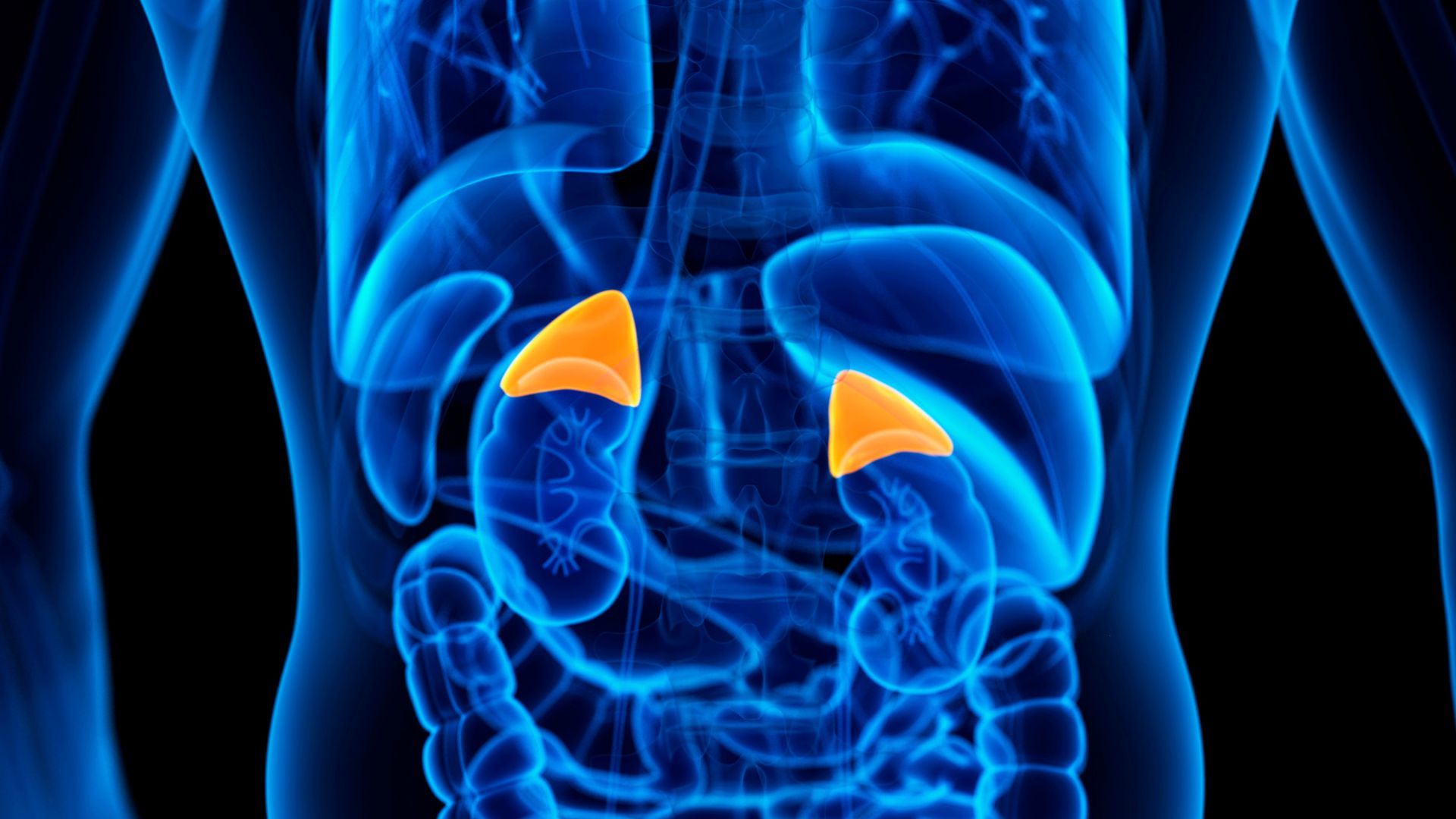
Adrenal fatigue happens when this rhythm falls apart. Your adrenals still make cortisol, just at the wrong times. Some practitioners call it HPA axis dysfunction. Either way, the symptoms of adrenal fatigue are real.
This isn’t Addison’s disease or adrenal insufficiency. That’s when your adrenals actually stop working, and you need medical treatment fast. Adrenal fatigue is different. It’s a functional problem, not a disease. Your adrenals are producing hormones, but they’re just doing it badly.
Standard blood tests miss adrenal fatigue because they’re designed to catch severe problems like Addison’s disease, but miss the smaller shifts in hormone levels that still wreck your energy.
What Pushes You Into Adrenal Fatigue
Stress and Sleep
Chronic stress causes this, but stress comes in forms you might not expect.
Work pressure, relationship drama, money worries. Your body stays in constant alert mode. It’s built for short bursts of stress followed by recovery, not the relentless grind most people live with now.
Gut problems keep the stress response fired up, so do major life changes. Moving house, changing jobs, grief, trauma. These push the system over the edge, especially when you’re already dealing with other symptoms and health issues.
Overtraining does it too. Training hard when you need rest, never allowing proper recovery, pushing through when you’re already tired. People who live by “no pain no gain” often end up with adrenal fatigue.
Not sleeping enough compounds everything. When you’re running on too little sleep, your body uses stress hormones to keep you going. Do that night after night, and you burn the system out.
Eating Habits
Food timing catches people. Intermittent fasting is everywhere now. It works for some people. But if you eat dinner at 7 pm and don’t eat again until midday the next day, that’s 17 hours without food. Your body runs off stress hormones during that gap.
Already dealing with adrenal fatigue? Extended fasting usually makes it worse. The same goes if you’re a woman with fluctuating reproductive cycles or irregular periods. Your body reads fasting as a signal that times are tough, which further messes with hormone production.
Skipping breakfast is the same problem. You’ve gone eight to ten hours overnight without food. Skip breakfast and you’re telling your body to keep running on stress. Do it every day, and you burn out the system, worsening adrenal fatigue.
12 Signs Your Stress Response Has Broken Down
The symptoms creep up slowly. You don’t always notice how far you’ve fallen until you look back at what you used to handle. Many women experience these signs without realising it’s a hormone imbalance.
1. You Wake Up Exhausted No Matter How Long You Sleep
You wake up exhausted, no matter how long you sleep. Dragging yourself out of bed requires genuine willpower, and it takes hours before you feel even remotely awake. Rest doesn’t fix it.
2. The Afternoon Crash Hits Hard Around 2 or 3 pm
Your energy crashes every afternoon. Coffee doesn’t work anymore, or you’re drinking so much you’ve lost track.
3. You Get Wired At Night
You’ve dragged all day, so naturally, by 9 pm, you should be extremely tired. Instead, your mind races, and sleep feels impossible. Your cortisol spikes in the evening instead of dropping off. This hormonal imbalance wrecks your sleep patterns.
4. Salt And Sugar Cravings Go Through The Roof
This isn’t willpower. When your adrenals are struggling, blood sugar regulation falls apart. Your body tries to fix it through cravings.
5. Stress You Used To Shrug Off Now Feels Massive

Most people think feeling stressed means high cortisol. Actually, it’s usually the opposite. Cortisol helps you handle stress, so when you don’t have enough, normal stuff feels overwhelming.
Think back to your late teens or early twenties. You could survive on barely any sleep, go out constantly, train hard, and bounce back fast. That’s because your body was pumping out plenty of cortisol. Push that system too hard for too long, and it can’t keep up. When you notice yourself pulling back, doing less than you used to, that’s classic adrenal fatigue.
6. Brain Fog Becomes Your Default State
You lose your train of thought mid-sentence, walk into a room and forget why, or tasks that used to be easy now take ages. This brain fog is one of the most frustrating symptoms of hormonal imbalance.
7. You Catch Every Cold Going Around
A colleague sneezes near you, and you’re guaranteed to get sick. Then it lingers for weeks because your immune system is shot.
8. Standing Up Makes You Dizzy
The room spins when you stand up too quickly. Your adrenals aren’t regulating blood pressure properly anymore.
9. Weight Piles On Despite Eating Well
Especially around your middle. This unexpected or unexplained weight gain occurs because a hormonal imbalance affects where your body stores fat and how your metabolism works. Some people gain weight even with a healthy diet.
10. Your Sex Drive Disappears
DHEA, another adrenal hormone, feeds into your sex hormones and affects sexual function. When it drops, everything else follows.
11. Random Body Aches Appear
Muscles feel weak, and joints hurt, but you haven’t done anything to cause it. Cortisol normally keeps inflammation down. When it’s not working right, everything aches.
12. Your Mood Crashes
Anxiety ramps up, or low mood settles in. These emotional symptoms and mood swings aren’t just being tired. Hormonal imbalance directly affects how your brain regulates emotions, and some people actually develop mental health conditions alongside adrenal fatigue.
How Testing Shows What Blood Tests Miss

When doctors test adrenal function with blood tests, they’re looking for diseases. Serious medical conditions where the adrenals have completely failed or are massively overproducing.
Blood tests only capture one moment too. You might get tested at 9 am when cortisol naturally peaks, so it looks “normal.” But that tells you nothing about what’s happening the rest of the day.
Saliva testing works differently and better assesses adrenal health. You collect samples four times throughout the day. This maps your entire cortisol rhythm and shows the hormonal changes happening. You can see if your morning surge is actually happening, if hormone levels drop properly in the evening, and how the whole pattern looks.
Someone with adrenal fatigue might show normal total cortisol. But if you look at the pattern, it’s all wrong. Maybe morning levels are flat when they should be high, or evening levels spike when they should be dropping. That’s the “wired but tired” feeling explained right there—a clear hormonal imbalance.
For complicated cases, there’s the DUTCH test. This shows not just how much cortisol you’re making, but how your body breaks it down. Some people process hormones badly, using more inflammatory pathways. The testing reveals different hormonal imbalances and other factors affecting overall health.
At Happy & Healthy Wellbeing Centre in Miranda, proper hormone testing gives a clear picture of what’s actually happening instead of just relying on ranges designed to catch diseases. This helps identify the underlying cause of your adrenal fatigue, including gut health issues that might be keeping your stress response stuck.
How to Actually Recover
Recovery from adrenal fatigue isn’t about one magic supplement. It’s supporting your stress response whilst fixing what broke it in the first place. Realistically, you’re looking at several months of consistent lifestyle changes before things shift noticeably. Getting hormones balanced takes time.
Fix Your Eating Patterns
Eat at regular times and maintain a healthy diet. Your body learns to expect food and stops constantly running off stress hormones. Look at Mediterranean cultures where meals happen at set times, and life has rhythm. Not the chaos most Western countries run on.
Breakfast matters even if you’re not hungry, as you’ve already gone eight to ten hours without food. Skip breakfast, and you activate stress hormones. Three meals minimum. Better yet, add a snack.
Protein with every meal keeps blood sugar steady. Specific nutrients become important for healing adrenal fatigue. Vitamin C gets used heavily when making cortisol, B vitamins support energy levels, and magnesium helps with managing stress and sleep.
Cut the Stimulants
Cut back on caffeine. You’re exhausted, but heavy use makes the hormonal imbalance worse. Coffee forces short-term cortisol production when you’re already running on empty.
The same goes for alcohol and smoking. Both wreck sleep, mess with hormone production, and drag down your adrenal health and overall wellbeing.
Make Sleep Non-Negotiable

Sleep becomes non-negotiable when healing adrenal fatigue. Same bedtime every night, ideally by 10 pm. This gives your body the best shot at restoring normal cortisol rhythm and getting hormones balanced. Dark bedroom, no screens before bed. The basics actually matter.
Change How You Handle Stress
You can’t eliminate all stress. Work doesn’t disappear, family stuff doesn’t vanish. But you can change how you handle it through managing stress techniques.
Try meditation, breathwork, gentle yoga, or walking and setting boundaries, saying no, dropping commitments. It feels hard, but it is often necessary to make lifestyle changes.
Dial Back Exercise
Pull back on intense exercise. If you’ve been training hard, that needs to stop. Overtraining is stress that worsens adrenal fatigue. More intense workouts when you’re already struggling just make it worse. You can build back up once you’ve actually recovered and your hormone levels have normalised.
Consider Targeted Supplements
Herbs and nutritional supplements can help, but need personalising. Ashwagandha, rhodiola, and holy basil help your body adapt to stress and support adrenal health. Licorice root supports cortisol in specific situations. B vitamins, vitamin C, and magnesium fill gaps.
What you need depends on where you are in the adrenal fatigue spectrum and what testing shows. Random supplements, because you read they’re good for adrenal fatigue, often waste money.
When You Need Professional Help
If several of these symptoms of adrenal fatigue are wrecking your ability to work, maintain relationships, or just enjoy life, get professional help.
Some symptoms need urgent medical treatment. Severe dizziness, chest pain, extreme weakness, unintentional weight loss, and skin darkening. These could mean Addison’s disease or adrenal crisis, serious medical conditions that need immediate attention.
For functional adrenal fatigue, working with someone who understands hormone balancing makes recovery faster.
At Happy & Healthy Wellbeing Centre in Miranda, testing comes first. Then, an individualised plan that addresses your specific hormonal imbalances. The focus is on supporting your body to restore normal patterns and get hormones balanced, not just covering symptoms.
Expectations need to be realistic when healing adrenal fatigue. Expect to see some improvements after one to two months, but you’re looking at around six months before things really shift. The full recovery, where your body maintains the new rhythm without needing constant support? That takes closer to a year.
Getting Your Energy Back
Hormonal imbalances like adrenal fatigue are real health conditions even when blood tests look normal. If you’ve been told nothing’s wrong but you’re exhausted every day, it means the right tests haven’t been done to assess your hormone levels properly.
Recovery from adrenal fatigue is possible. Your body can restore balance and get its hormones balanced when given what it needs. Takes time and consistent lifestyle changes, but you don’t have to accept exhaustion as permanent. Your overall well-being can improve significantly.
If these symptoms sound familiar, book a hormone health consultation at Happy & Healthy Wellbeing Centre in Miranda. Proper testing makes the path forward much clearer. You deserve to wake up rested and have steady energy levels throughout the day.

Hayden Keys
Graduating from Western Sydney University in 2005 with a Bachelor of Health Science in Naturopathy, Hayden is a proud member of the Australian Traditional Medicine Society. With over a decade of clinical experience, Hayden established the Happy & Healthy Wellbeing Centre in Miranda in 2009. Read more...