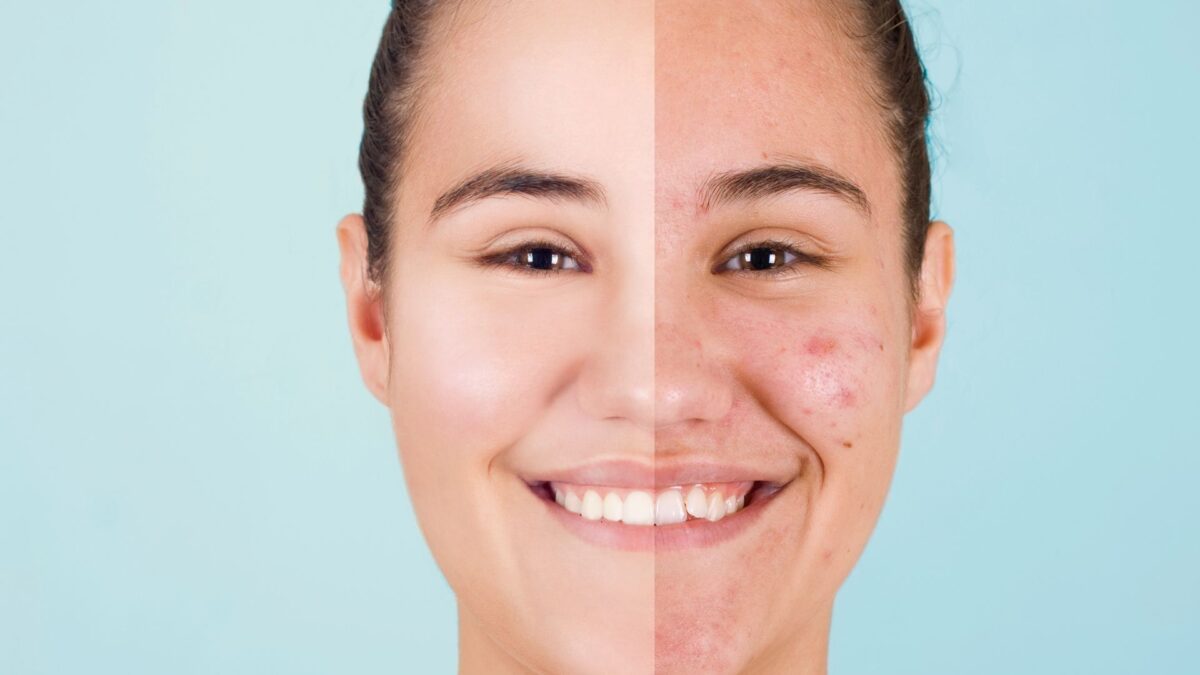
Intermittent fasting keeps coming up in conversations about hormonal acne. Plenty of women swear it cleared their skin, gave them a glowing complexion, and finally stopped the cyclical jawline breakouts that nothing else could fix. The science supports some of those claims too, particularly for women dealing with insulin resistance or PCOS.
So, can intermittent fasting actually fix your hormonal imbalance and acne? The answer is genuinely yes for some women, and genuinely no for others. It comes down to which hormonal pattern is behind your breakouts. Fasting improves one type of hormonal acne and makes another type significantly worse, but that distinction rarely gets covered in the online conversation.
The challenge is that intermittent fasting affects reproductive and stress hormones, as well as metabolic health, in deeply individual ways. This article walks through how fasting interacts with the specific sex hormones behind acne, who it can help, who should hold off, and what to test before changing your eating pattern.
The Hormone and Acne Connection (Why Your Breakouts Are Not Random)
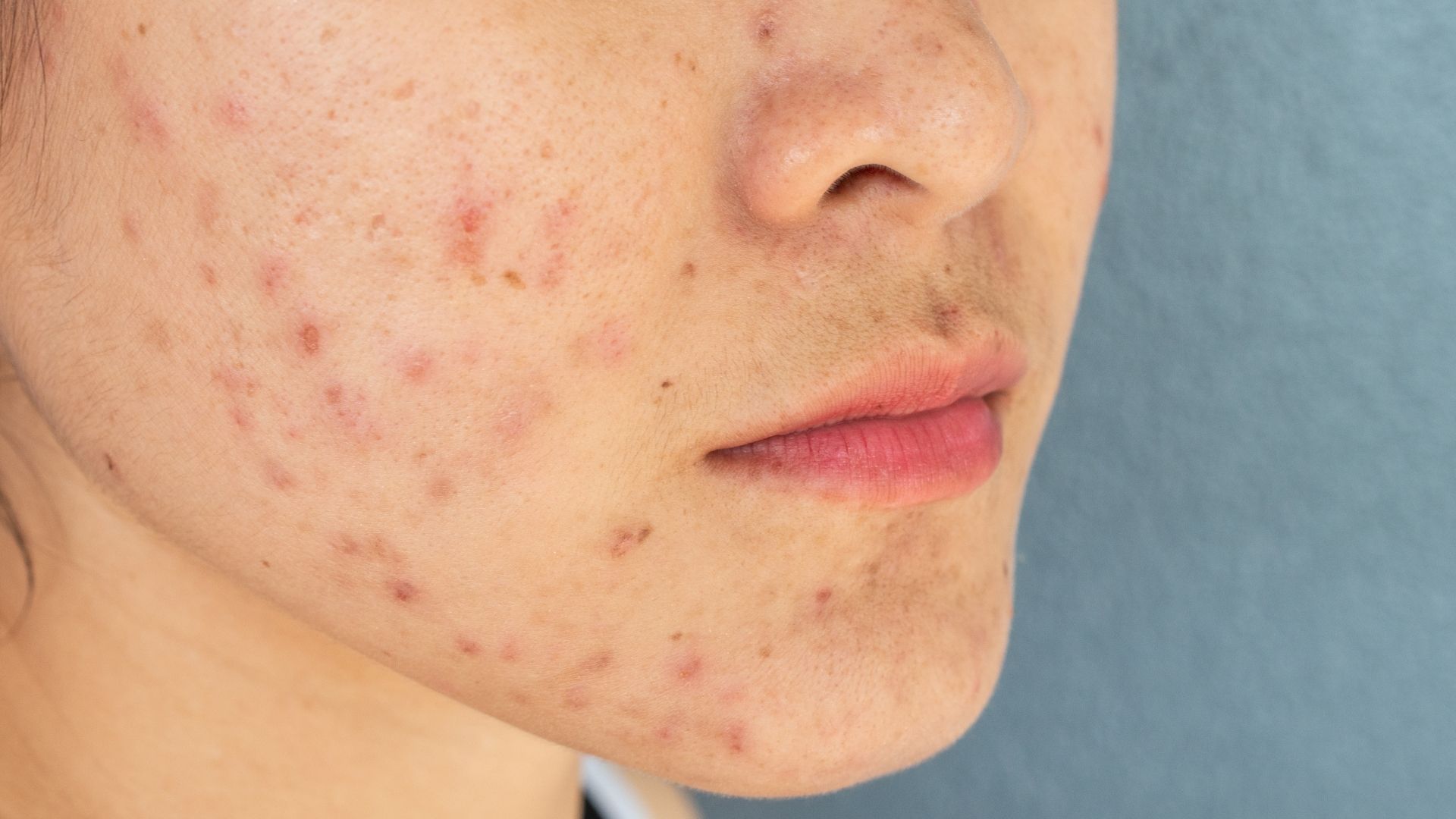
Hormonal acne is not a surface problem. It runs deeper than clogged pores and oily skin, and understanding the hormonal drivers is essential before experimenting with any dietary pattern.
There are four key players behind most cases of adult acne, and each one connects to the intermittent fasting conversation differently.
Androgens and Sebum Production
Androgens, particularly testosterone and its more potent form DHT, are the primary drivers of hormonal acne. When androgen levels climb too high relative to oestrogen and progesterone, the sebaceous glands go into overdrive. More sebum means more clogged pores, more bacterial growth, and more inflammatory breakouts.
Breakouts concentrated along the jawline, chin, and around the mouth carry a hormonal signature that separates them from randomly scattered pimples. They tend to be cyclical, worsening before a period, and they persist despite changes to the topical skincare routine. If that pattern sounds familiar, hormones are almost certainly involved.
The Insulin and IGF-1 Connection
This is where the link to intermittent fasting becomes clearest. High insulin levels trigger the release of insulin-like growth factor 1 (IGF-1), which stimulates sebum production in the sebaceous glands and promotes the kind of skin cell turnover that clogs pores.
Insulin also directly stimulates androgen production, which is why insulin resistance and hormonal acne so often go hand in hand. Higher insulin levels mean higher androgens, which lead to more oil, clogged pores, and more persistent breakouts.
Sex hormone-binding globulin (SHBG) ties into this as well. SHBG binds to testosterone and keeps it inactive, but insulin resistance pushes SHBG levels down. Even if total testosterone looks normal on a blood test, too much of it could be unbound and actively driving acne.
Cortisol, Gut Health, and the Bigger Picture
Cortisol affects the production of other hormones throughout the entire system. Chronically elevated cortisol suppresses hormone levels, disrupts the menstrual cycle, and worsens inflammatory skin conditions. This becomes particularly relevant with fasting, because fasting itself is a physiological stress on the body.
Poor gut health and increased intestinal permeability also trigger systemic inflammation via the gut-skin axis, which compounds hormonal imbalances and skin problems.
All four of these drivers are connected. How they interact varies significantly across individuals, which is why hormonal acne is so resistant to generic dietary advice.
How Intermittent Fasting Affects Your Hormones and Skin Health
Intermittent fasting is an eating pattern that cycles between periods of eating and fasting. The most popular methods include the 16:8 approach, the 5:2 diet, and alternate-day fasting. These are all forms of time-restricted eating and time-restricted feeding. The concept is straightforward, but how these dietary patterns actually affect hormone levels is more nuanced than social media suggests.
Insulin, Androgens, and the Acne Connection
The strongest evidence for the benefits of intermittent fasting comes from studies on insulin sensitivity. Compressing the eating window means the body spends more time in a fasted state, which can lower insulin levels and improve insulin sensitivity.
Lower insulin means less IGF-1 stimulation, less sebum production, and potentially better skin. For women with insulin resistance or polycystic ovarian syndrome (PCOS), this mechanism directly addresses the metabolic root feeding the androgen cycle.
Research in this area is growing, and the results for women with insulin-driven hormonal profiles are genuinely promising:
- A review of human trials found that intermittent fasting decreased testosterone and the free androgen index (FAI) while increasing SHBG in premenopausal women with obesity
- These effects were more pronounced with early time-restricted feeding, specifically finishing eating before 4 pm
- A separate systematic review found a 9% reduction in testosterone and a 26% reduction in the free androgen index in women with PCOS
- Improvements in menstrual regularity of 33 to 40% were also observed across time-restricted feeding protocols
For women dealing with stubborn jawline and chin breakouts, those hormonal shifts go straight to the source. Lower free androgens and higher SHBG mean less hormonal fuel for acne in those areas.
Inflammation, Cellular Repair, and Skin Health
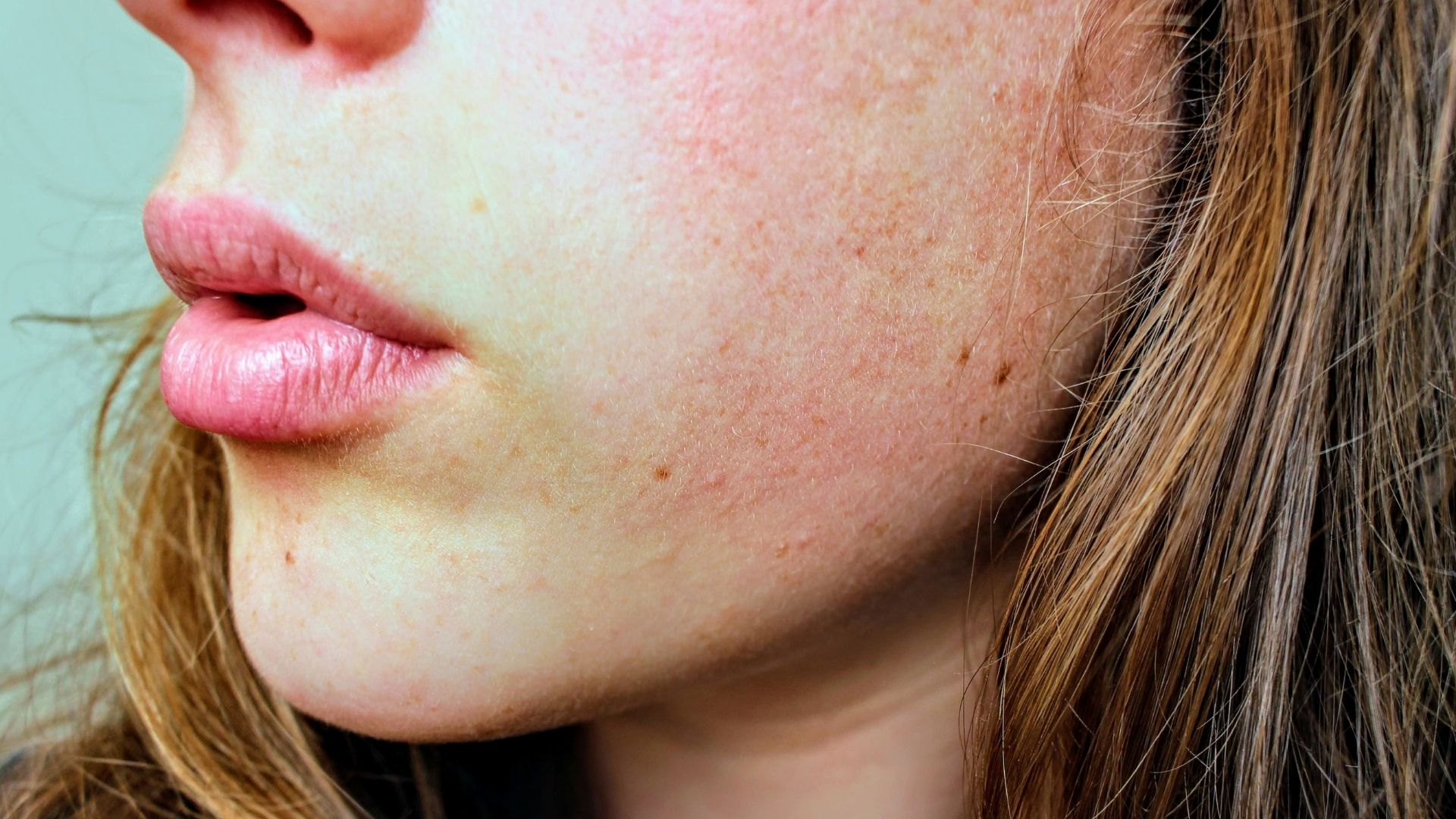
Beyond hormones, intermittent fasting helps reduce inflammation and decrease inflammatory markers, which benefits skin conditions broadly. Chronic inflammation is a key driver of premature aging and skin disorders like acne. Fasting can support cellular repair, skin elasticity, and collagen production, contributing to healthy aging and enhancing overall skin health. Improved skin hydration has also been associated with reduced inflammatory markers and better metabolic health.
These are real benefits, but they come with an important caveat. The positive hormonal research is largely concentrated in women with insulin resistance or PCOS. Fasting does not appear to significantly affect oestrogen, gonadotropins, or prolactin levels. If acne is driven by something other than insulin and androgens, the many health benefits of intermittent fasting are less likely to show up as radiant skin.
When Intermittent Fasting Can Backfire on Your Skin
Most content about intermittent fasting and acne stays firmly in the positive camp. But the reality is that for plenty of women, fasting makes hormonal acne worse, not better.
The Cortisol Problem
Clinical experience across thousands of patients suggests that most women who tried intermittent fasting did not find it successful. Not because the science is wrong, but because of how it interacts with existing stress and eating habits.
When someone is already stretched thin with the demands of daily life, not eating for extended periods just adds to the cortisol burden. Once that load gets too high, metabolism stalls and hormone production takes a hit. Weight stays stuck, and skin health goes backwards.
Stress-driven acne and insulin-driven acne are fundamentally different problems. Elevated cortisol also suppresses thyroid function in some women, and low thyroid leads to lower SHBG, more free testosterone, and more acne.
Extended fasting can interfere with ovulation and disrupt oestrogen and progesterone balance, and irregular menstrual cycles almost always bring hormonal acne flares.
The Protein Problem
A compressed eating window consistently leads to lower protein intake in clinical practice, and the consequences go well beyond muscle mass. The body relies on protein to build the enzymes that drive hormone production, hormone detoxification, energy metabolism, and neurotransmitter synthesis. Fall short on protein and all of those processes slow down together.
Consider what 100 grams of protein actually looks like on a plate. A steak is only about 20% pure protein, so hitting that target means eating roughly 500 grams of meat in a day. That is a lot of food to fit into a six or eight-hour window, especially when protein-rich foods are so filling. Most people simply cannot manage it, and the shortfall chips away at the hormonal balance they are trying to improve.
Who Should Be Especially Cautious
Women coming off hormonal contraception already have unstable hormone levels, and adding fasting stress can worsen post-pill acne. For anyone with a history of disordered eating or who is already underweight, intermittent fasting carries real risks to both physical health and ovarian function.
How to Know If Intermittent Fasting Could Work for Your Acne
The honest answer is that you cannot know without testing. Before starting any dietary protocol for hormonal acne, the critical step is getting a clear picture of what hormones are actually doing. Not just checking they fall within broad normal ranges, but understanding how they sit relative to each other.
One hormone at the top of the range and another at the bottom is an imbalance, even if neither is flagged as abnormal. That is enough to drive acne.
Key markers to discuss with a practitioner include:
- Fasting insulin and HOMA-IR (insulin resistance markers)
- Total and free testosterone
- DHEA-S
- SHBG
- Morning cortisol
- A full thyroid panel
Saliva and urine hormone testing, like the DUTCH test, provide additional information that standard blood tests miss by analysing hormones in tissue and measuring how the body breaks them down. Patterns that suggest intermittent fasting could help include markers of insulin resistance, a PCOS diagnosis, elevated androgen levels, acne concentrated on the jawline and chin, and a current high-glycaemic diet.
On the other hand, already being lean, undereating, having high stress levels, irregular periods, or acne that appears more stress-driven or gut-related all indicate that adding another physiological stressor is unlikely to improve skin.
A Naturopathic Approach to Intermittent Fasting for Hormonal Acne

Start Gentle and Time It Right
If testing shows that intermittent fasting could suit a particular hormonal profile, the approach matters as much as the decision. Jumping straight to a 16:8 fasting routine is not the best strategy for most women.
Starting with a 12:12 or 14:10 window allows the body to adapt without triggering excessive cortisol spikes, and that shorter fast is often enough to start improving blood sugar regulation and insulin sensitivity. Cleveland Clinic experts have advised women to be particularly cautious with intense fasting during the week before their period, when the body is most vulnerable to stress.
What You Eat Matters as Much as When
What goes into the eating window matters just as much as when it opens. Focus on nutrient-dense foods, such as low-glycaemic options, adequate protein, healthy fats, and foods rich in zinc and vitamin A.
A protein powder can take the pressure off if whole foods alone aren’t getting you there within a compressed eating window.
Naturopathic Support Alongside Dietary Changes
Specific herbs can directly target hormonal imbalances, and the right combination depends entirely on what testing reveals. The table below gives a general overview of how different herbs are used in clinical practice:
| Hormonal Imbalance | Herbs Commonly Used |
| Male hormones (testosterone, DHT) are too high | Saw palmetto, licorice, peony |
| Female hormones (oestrogen, progesterone) are too low | Withania, black cohosh, vitex |
On the nutritional side, zinc, omega-3 fatty acids, and inositol all have evidence for supporting hormonal balance and healthier skin. These work alongside herbal protocols rather than replacing them.
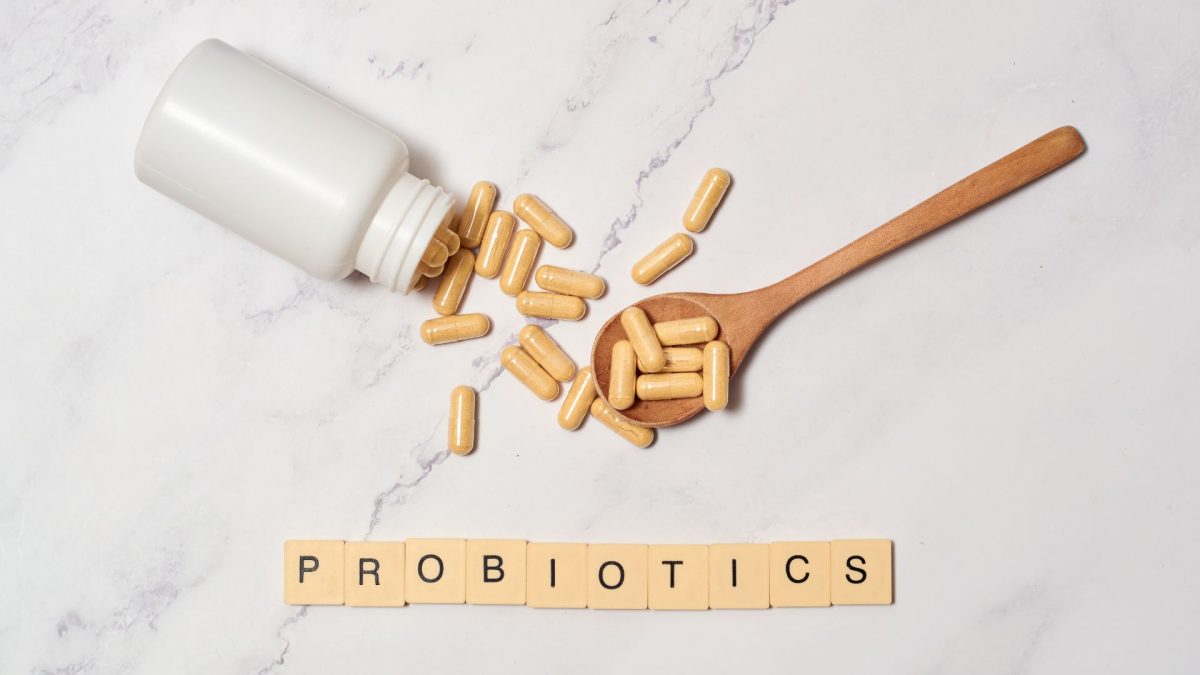
None of that works as well as it should if the gut is not functioning properly. Prebiotics, probiotics, and gut-healing herbs like slippery elm and marshmallow root support the gut-skin axis and help reduce inflammation that feeds hormonal acne. But the real foundation is simpler than any supplement. Whole, nutrient-dense foods give the body what it actually needs to do the repair work.
Realistic Timelines
Expect months rather than weeks. The first phase focuses on actively rebalancing hormones with herbs and supplements. The second, longer phase is about holding that balance until the body can sustain it on its own. Tracking the menstrual cycle, skin, and energy levels throughout gives a clear picture of progress. Pulling the support too early is one of the most common mistakes, because hormones will simply drift back to old patterns if the new rhythm has not had time to set in.
Why Fasting Alone Will Not Give You Radiant Skin (And What Actually Will)
Intermittent fasting can be helpful for women whose hormonal acne is driven by insulin resistance and elevated androgens. But it is one piece of a much bigger picture. Lasting results come from understanding the full hormonal landscape and addressing it accordingly.
That starts with proper testing to identify the specific imbalance. Once the picture is clear, a treatment plan can be built around herbs, targeted supplementation, and nutritional changes that match what is actually happening hormonally. But supplements and herbs only go so far without the basics in place. Sleep, stress management, regular movement, and consistent eating patterns do as much of the heavy lifting as anything prescribed.
Happy & Healthy Wellbeing Centre in Miranda works with women dealing with hormonal acne, PCOS-related skin concerns, and unexplained breakouts through both in-clinic and online consultations. Rather than guessing at what might help, the approach is built on testing, interpreting results in context, and creating a plan tailored to what is actually going on hormonally.
Your Skin Deserves More Than a Guessing Game
Intermittent fasting is not a magic solution for hormonal acne, but for someone with the right hormonal profile, it can be a meaningful piece of the puzzle. The key is knowing which category you fall into before you start.
If acne has been stubborn, cyclical, and concentrated along the jawline, it is worth finding out exactly what is driving it. Book a consultation to have your hormone levels assessed and find the right path forward for healthy skin that actually lasts.
FAQs
Does fasting help hormonal acne?
For women with insulin resistance or PCOS-driven acne, it can. Intermittent fasting targets two of the main hormonal drivers behind jawline breakouts. But for stress-related or gut-related acne, fasting often adds fuel to the fire. The only way to know which camp you fall into is through hormone testing.
Does intermittent fasting help balance hormones?
It can shift specific hormones, particularly androgens and SHBG, but it does not rebalance the full picture on its own. Research shows stronger results when eating is confined to earlier in the day. Oestrogen and progesterone do not appear to be significantly affected, and aggressive fasting can push cortisol in the wrong direction.
Can intermittent fasting clear your skin?
It depends on what is causing the breakouts. If insulin and androgens are the issue, fasting can reduce sebum production and calm inflammation, which leads to clearer skin over time. If cortisol or gut health is the primary driver, a different approach will get better results.
Can you reset your hormones by fasting?
“Reset” is not quite how hormones work. Fasting can improve certain ratios and reduce specific markers, but hormones operate as an interconnected system. Shifting one without addressing the others rarely produces lasting change. A personalised approach that combines testing with targeted treatment gets further than any single dietary change.

Hayden Keys
Graduating from Western Sydney University in 2005 with a Bachelor of Health Science in Naturopathy, Hayden is a proud member of the Australian Traditional Medicine Society. With over a decade of clinical experience, Hayden established the Happy & Healthy Wellbeing Centre in Miranda in 2009. Read more...