
Getting a coeliac disease diagnosis is often described as a relief. There’s finally an answer. Cut out gluten, follow a gluten-free diet properly, and life should get back to normal. Except for a lot of people, going gluten-free doesn’t quite fix everything straight away. Weeks or months after starting a gluten-free diet, the bloating, fatigue or gut pain are still hanging around, and it’s hard not to wonder if something has been missed.
Coeliac symptoms often persist after going gluten-free because removing gluten stops new damage, but eating gluten-free doesn’t instantly repair years of prior harm, restore depleted nutrient levels, or rule out other issues that may have built up alongside the coeliac disease itself.
For many people, coeliac disease sat undetected for years before a gluten-free diet was ever started, so there can be repair work still going on beneath the surface even once gluten is completely gone.
It’s a common experience that usually comes down to a handful of specific reasons rather than one single mistake, not a sign anything’s been done wrong. A gut health naturopath in Miranda can help work through those reasons if things haven’t settled down on their own.
What A Gluten Free Diet Actually Involves
A gluten-free diet excludes foods and drinks made with wheat, rye, barley and triticale, along with anything containing wheat gluten as a binding agent or thickener. Many foods that seem safe still contain small amounts of gluten, which is why learning to eat gluten-free properly takes time. Naturally gluten-free foods such as rice, corn and quinoa form the basis of most gluten-free grains, while gluten-free products like bread and pasta require closer label checking. Oats can be eaten gluten-free if certified and not cross-contaminated with other grains during processing.
Coeliac disease is an autoimmune condition, not the same thing as a wheat allergy or non-coeliac gluten sensitivity, though the symptoms can look similar. Gluten intolerance is a term people often use loosely to describe any of these three, but only coeliac disease requires a strict, lifelong gluten-free diet as treatment. Coeliac disease can also present as dermatitis herpetiformis, an itchy rash linked to the same immune reaction, rather than with digestive symptoms at all.

Going Gluten Free Is Essential, But Recovery Is Not Always Immediate
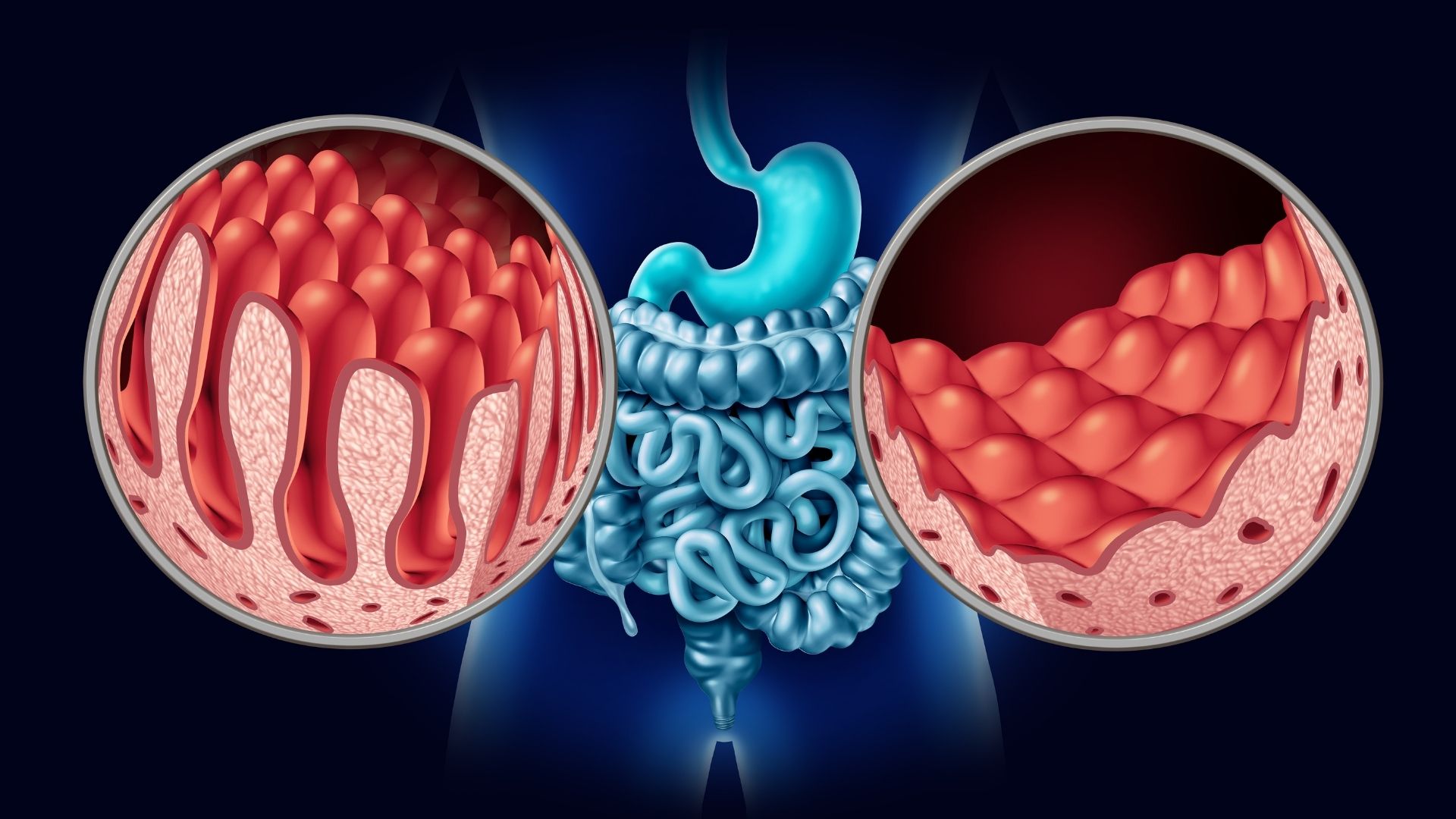
When someone with coeliac disease eats gluten, the immune system attacks the lining of the small intestine, damaging the tiny finger-like structures called intestinal villi that are responsible for absorbing nutrients. A strict, lifelong gluten-free diet is the only recognised treatment for coeliac disease, and following a gluten-free eating plan remains completely necessary. Nothing in this article disputes that.
What changes is the assumption that symptoms, blood results, and gut healing all move at the same pace once someone stops eating gluten. Some people feel better within weeks of cutting gluten out. Others follow a gluten-free diet properly and still feel flat, bloated or exhausted months later. According to Coeliac Australia, healing rates after going gluten-free depend on age at diagnosis, how much damage was already present, genetics, medications and how consistently the gluten-free diet is followed. So two people diagnosed with coeliac disease around the same time can have very different recoveries on the same gluten-free diet, and that’s normal.
The Conveyor Belt Effect
Hayden Keys, naturopath at Happy & Healthy Wellbeing Centre in Miranda, describes coeliac disease a bit like a conveyor belt. Taking away gluten stops new damage being created, but a gluten-free diet doesn’t switch everything off overnight.
The inflammation built up over years of eating wheat and other gluten-containing foods can keep playing out for a while after gluten is removed, a little like a machine that takes time to wind down once it’s switched off. The consequences of the damage already done, including nutrient depletion, don’t disappear the moment gluten does.
Why Coeliac Disease May Have Caused Problems Before Diagnosis
Coeliac disease is frequently diagnosed only after years of eating wheat and other gluten-containing foods and living with symptoms. It’s common to have had bloating, fatigue or unexplained iron issues for a decade or more before being tested. And that time adds up, because longstanding damage to the small intestine can affect how well nutrients are absorbed long after a gluten-free diet has started. Not everyone has dramatic stomach pain either. Some newly diagnosed patients simply feel tired or run down, which makes coeliac disease easy to miss for years.
Severe symptoms don’t necessarily mean severe intestinal damage, and mild symptoms don’t necessarily mean the gut has healed once someone stops eating gluten. Healthdirect makes this point plainly, noting that mild symptoms don’t mean someone has a mild form of the disease.
Six Reasons You May Still Feel Unwell After Cutting Gluten
1. Small amounts of gluten may still be entering your diet
Cross-contamination is easy to miss once you start eating gluten-free day to day. Gluten hides in shared toasters used for wheat bread, butter and spread jars, cooking surfaces used for both gluten-free and gluten-containing foods, restaurant fryers, soy sauce, malted drinks and some medications or dietary supplements.
Processed foods are a common source of hidden gluten too, since ingredients derived from wheat, barley or rye can appear on food labels under names that don’t obviously contain gluten. Foods containing gluten aren’t always labelled clearly, which is why reading food labels carefully, and asking a dietitian to help interpret them, can catch exposure that’s easy to miss even when you think you’re strictly avoiding wheat and other gluten-containing foods.
2. Your intestine may still be recovering
Healing time after going gluten-free varies a lot between people. Some feel better before their gut has fully healed, and a specialist may consider a follow-up biopsy to assess how the gluten-free diet has helped.
3. Nutrient deficiencies may still be affecting your health
Iron, vitamin B12, folate, and vitamin D should be monitored after a coeliac disease diagnosis, and low iron levels in particular can leave people feeling flat, weak, or short of breath. These important vitamins may stay low for a while even on a strict gluten-free diet, simply because the gut hasn’t fully caught up on absorbing nutrients yet.
4. Another food component may be contributing to symptoms
Temporary lactose intolerance is common when the small intestine remains damaged after years of gluten consumption. FODMAPs found in many foods can also contribute to bloating and bowel changes for some people, in addition to any reaction to gluten itself. This doesn’t mean dairy or other foods need to be avoided alongside gluten forever, but any elimination should be time-limited and followed by a structured reintroduction with a dietitian involved.
5. A separate digestive condition may be involved
Irritable bowel syndrome, small intestinal bacterial overgrowth, microscopic colitis and inflammatory bowel disease can all produce the same symptoms as ongoing coeliac trouble, even on a strict gluten-free diet.
These aren’t things to self-diagnose using an online checklist. Persistent symptoms don’t automatically mean refractory coeliac disease, which is rare, doesn’t respond to a standard gluten-free diet, and needs specialist diagnosis after other health conditions have been ruled out.
The American College of Gastroenterology recommends this stepwise process, and clinical trials continue to explore treatment options for coeliac disease that doesn’t settle with diet alone.
6. Stress may be amplifying digestive symptoms
Stress can affect digestive motility and the intensity of pain or bloating experienced, even when gluten exposure is genuinely under control. A coeliac diagnosis and a restrictive eating plan can themselves be a source of anxiety. Addressing stress won’t replace the gluten-free diet, but it can meaningfully improve day-to-day comfort while the gut continues to heal.
Why Nutrient Absorption May Remain Compromised
Nutrients are absorbed through the small intestine, so when that lining has been repeatedly attacked by gluten, the ability to absorb nutrients can lag well behind how someone feels. A gluten-free diet built mostly around processed, packaged foods isn’t automatically nutritionally complete either.
Dietitians Australia notes that gluten-free versions of bread, pasta and baked goods are often lower in fibre, folate and iron than the gluten-containing foods they replace, so building meals around naturally gluten-free foods such as vegetables, fresh fruits, eggs, meat and legumes still matters. Low iron often presents as fatigue or reduced stamina, while low B12 or folate can cause fatigue and, less commonly, other nervous system symptoms.
What Should Be Checked When Symptoms Continue
A structured approach works better than trial and error when a gluten-free diet alone hasn’t resolved things. Reviewing the eating plan means checking food labels and any medications for hidden gluten in everyday foods, and confirming that gluten-free foods eaten regularly haven’t been cross-contaminated. Medical follow-up can include repeat coeliac serology, iron studies, B12, folate, vitamin D, and thyroid function, with a gastroenterology review as needed. Dietary adequacy is worth a second look, too, by covering fibre, protein, and naturally gluten-free foods rather than relying solely on packaged gluten-free products. Ruling out an overlapping digestive condition and looking at stress and symptom patterns both matter.
How a Naturopath May Support Coeliac Recovery

Naturopathic care sits alongside medical and dietetic treatment for coeliac disease rather than replacing it. At Happy & Healthy Wellbeing Centre in Miranda, this typically involves a detailed history of diet, symptoms, sleep, lifestyle, and the foods eaten day-to-day, a review of existing pathology results, and an honest look at whether the current gluten-free diet is nutritionally adequate. It also means checking current supplements for duplication and flagging any separate digestive issues that may require a medical referral. Functional testing can sometimes add useful detail, but it never replaces coeliac serology, gastroscopy or biopsy.
Could Gut Directed Hypnotherapy Help?
Hypnotherapy doesn’t treat coeliac disease, and it isn’t a substitute for the gluten-free diet. It can help when stress or gut-brain sensitivity is amplifying functional symptoms on top of an underlying condition. It sits alongside medical, nutritional and naturopathic care rather than replacing any of it.
When Persistent Symptoms Need Prompt Medical Attention
Most of what’s covered here is about symptoms that linger and need a proper reassessment rather than an emergency. But a few signs are different, and they warrant seeing a doctor straight away rather than waiting for a follow-up appointment. These include unexplained weight loss, blood in the stool or black stools, severe abdominal pain, persistent vomiting, significant weakness, ongoing severe diarrhoea, fever or worsening anaemia.
Occasionally, symptoms like these point to refractory coeliac disease, where damage continues despite a strict gluten-free diet. It’s uncommon, and it’s diagnosed only after every other explanation has been ruled out. If confirmed, treatment usually involves steroids or immunosuppressants under specialist care rather than further changes to diet alone.
The Next Step When Symptoms Continue
A gluten-free diet isn’t something to abandon, and removing more foods without a clear plan usually creates more confusion rather than answers. Persistent symptoms after a coeliac diagnosis are a reasonable and common reason to ask for a proper reassessment. That might mean reviewing gluten exposure, checking nutrient status, ruling out an overlapping digestive condition, or paying more attention to stress.
Working through those possibilities with the right combination of medical and complementary support tends to get better results than guessing alone. If symptoms have stuck around longer than expected, booking a gut health consultation is a practical next step toward finding out why.
Getting Gut Health Support in Miranda
Happy & Healthy Wellbeing Centre in Miranda offers naturopathic consultations that review symptoms, diet, medical history and lifestyle for people navigating coeliac disease and persistent symptoms, with both in-clinic and online appointments available. This kind of care complements and supports, rather than replaces, guidance already provided by a GP, gastroenterologist or accredited practising dietitian.
Common Questions About Living With Coeliac Disease
Can you grow out of coeliac disease?
No. It’s a lifelong autoimmune condition, and the only proven management is a strict gluten-free diet maintained permanently.
What is living with coeliac disease like day to day?
Most people adjust well once they’ve learned to read food labels, manage cross-contamination and identify gluten-free foods when eating out, though the adjustment often brings real frustration at first.
How long does it take to heal the intestines after a coeliac diagnosis?
Healing after going gluten-free can happen within months for children, while adults may take up to two years, and ongoing exposure to gluten can slow this further.
What are the long-term complications of untreated coeliac disease?
Poorly managed coeliac disease is linked to nutrient malabsorption, osteoporosis and an increased risk of bowel cancer, which is why ongoing follow-up matters.

Hayden Keys
Graduating from Western Sydney University in 2005 with a Bachelor of Health Science in Naturopathy, Hayden is a proud member of the Australian Traditional Medicine Society. With over a decade of clinical experience, Hayden established the Happy & Healthy Wellbeing Centre in Miranda in 2009. Read more...