You’re doing everything right with your diet. Organic vegetables, quality proteins, and even those fermented foods everyone goes on about. But the bloating’s still there, your skin’s still breaking out, and you’re still exhausted by 3 pm.
Maybe it’s not about what you’re eating at all, but when you’re eating it.
Eating breakfast at 7 am one day and 10 am the next. Grabbing lunch whenever you remember. Eating dinner while stressed and scrolling through your phone. Your digestive system isn’t designed to work like this. It runs on rhythm, timing, and being in the right nervous system state to actually process food.
When you eat matters just as much as what you eat, and most people are completely out of sync with how their gut actually functions.
Your Body Can Only Do One Thing at a Time
Here’s something that sounds simple but changes everything: your body can only be in either fight or flight mode, or rest and digest mode. It is one or the other, but not both.
When stress hits (a work deadline, traffic, checking the news), your sympathetic nervous system kicks in. Blood goes to your muscles, your heart starts pumping, and digestion? It completely shuts down. Stomach acid production drops off, and digestive enzymes basically clock off for the day.
Most people are eating breakfast while firing off emails, grabbing lunch during a stressful meeting and eating dinner while their brain is still churning through work problems. Your parasympathetic nervous system, the one that actually handles digestion, never gets a look in.
The body’s just not ready for the food. Nutrients don’t get absorbed properly, food sits there longer than it should, and then you wonder why you’re bloated and uncomfortable all the time.
Taking five minutes to actually breathe before you eat, sitting down properly, and putting the phone away aren’t nice little wellness tips. They’re fundamental to whether your body can actually digest your food. Only when you’re calm can stomach acids flow and digestive juices do their job.
Most Gut Problems Don’t Show Up as Gut Problems
Ask someone how they’d know if they had a gut issue, and they’ll list off bloating, constipation, diarrhoea. Digestive symptoms, right?
But in actual fact, most gut problems show up as completely non-digestive issues.

Hormonal acne along your jaw and chin? That’s often gut-related. When you’ve got leaky gut, hormones that should be leaving your body through the gut get reabsorbed back in. This overloads your whole hormonal system.
Plus, if your gut’s leaking toxins, your liver’s working overtime to process them instead of properly dealing with hormones. So you end up with hormone problems and acne.
Autoimmune conditions like Hashimoto’s, lupus, and Crohn’s have all been closely linked back to gut health in research. Your immune system basically lives in your gut, so when that environment goes wrong, your immune system starts attacking things it shouldn’t.
You might have perfect digestion, but be dealing with:
- Chronic fatigue that won’t shift
- Brain fog
- Joint pain
- Eczema or psoriasis
- Anxiety or depression
- Getting sick all the time
Someone presenting with anxiety might not need therapy; they might need to sort their gut out. Someone with dodgy joints might need to fix their leaky gut, not just take painkillers. Most roads lead back to the gut, whether you’ve got digestive symptoms or not.
Consistency Is Everything for Your Gut
Erratic eating patterns are a massive problem, and they’re more common than you’d think. Breakfast at 7am one day, 10am the next. Lunch whenever you remember. Dinner at 6pm during the week and 9pm on weekends.
Your digestive system absolutely loves rhythm and regularity. When you eat at consistent times, your body learns to prepare, and digestive enzymes start flowing in anticipation.
Your gut microbiome operates on circadian rhythms meaning different bacteria are active at different times of day based on when you usually eat.
Skipping meals or eating all over the place triggers your stress response and cortisol release. Cortisol’s whole job is breaking your body down. If you’re trying to heal your gut, you need your body to build tissue and repair damage, not tear it down.
For patients with bacterial overgrowth, leaky gut, and inflammation, maintaining consistency in meal timing is therapeutic. Not as some rigid rule to stress about, but as a rhythm that lets your gut actually function and heal.
Also, you have probably noticed that intermittent fasting is everywhere at the moment, but if you’ve got gut dysfunction or adrenal problems, it’s probably making things worse. Your body needs a steady supply of fuel to heal properly.
Just Eat Real Food First
Social media’s full of complicated protocols, expensive supplements, and fancy superfoods. Everyone skips straight past the boring basics.
Just eat fresh food. Seriously, that’s the starting point.
It doesn’t have to be organic or fermented. Just fruits, vegetables, nuts, seeds, and decent quality proteins. Food that actually looks like food, not something that’s been through seventeen processing steps.
If you look at traditional societies eating their normal diets, they’ve got way fewer gut problems than we do in Australia, the UK, and the US. We’ve moved to highly processed, refined stuff, lots of refined carbs, sugar, and industrial oils. The body can only run on the fuel that’s given, and if you’re giving it rubbish fuel, you’re going to see issues.
Fermented foods like sauerkraut, kimchi, and coconut yoghurt are all great as they introduce beneficial bacteria, but they’re not step one. Step one is just eating whole, fresh food consistently. Don’t worry about the fancy stuff initially. Just get that foundation set first.
Some foods act as prebiotics (they feed your good bacteria):
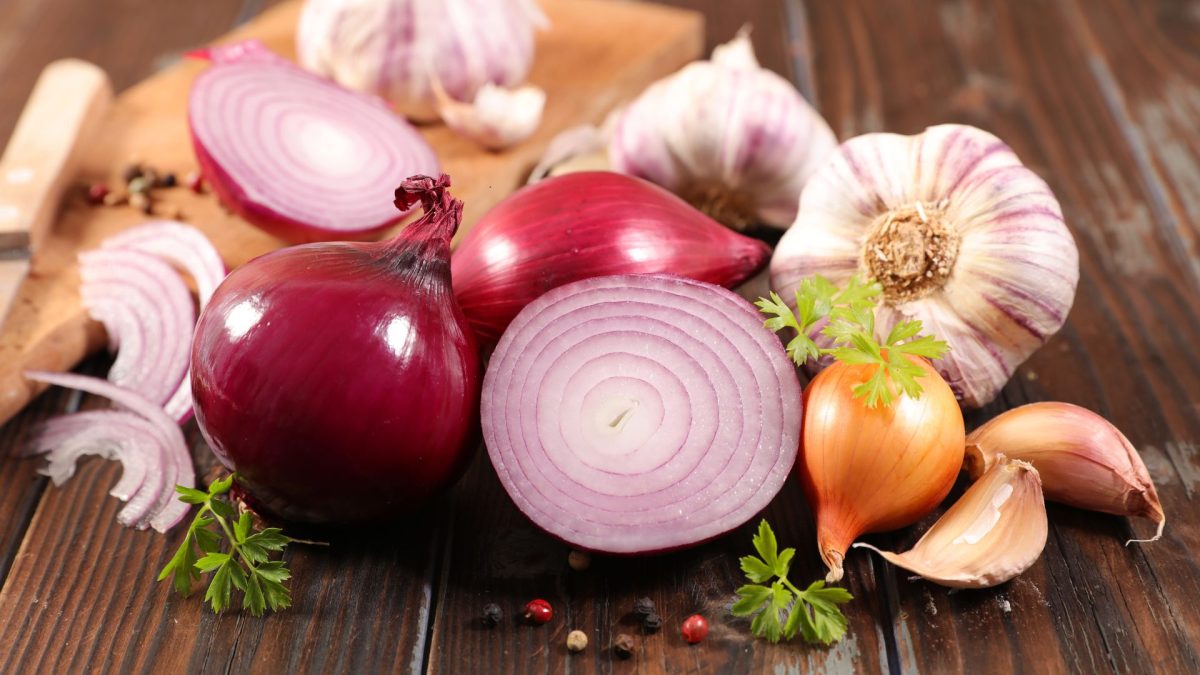
- Garlic, onions, leeks
- Asparagus
- Bananas
- Oats
- Jerusalem artichokes
Though if you’ve already got gut issues, some of these might cause problems temporarily. Which brings us to…
When Healthy Foods Suddenly Become the Problem

You start eating healthier. Load up on vegetables and feel worse. More bloated, more uncomfortable, and you probably think “healthy eating doesn’t work for me.”
But when your gut function’s compromised, some genuinely healthy foods can temporarily be a problem. FODMAPs are the most well-known example. These are the little sugar and fibre molecules in plant foods. They’re very healthy, and they act as prebiotics. But some people stop digesting them properly, and they cause massive bloating, diarrhoea, and constipation.
The food’s not bad. Your digestive capacity’s just impaired.
There are other therapeutic diets too, such as low-histamine diets and SIBO diets. These aren’t meant to be lifelong. They’re therapeutic.
Often, if you’re having digestive problems, there are foods that need to be temporarily eliminated to allow you to heal, so you’re not aggravating the issue all the time.
The key is being able to do the work required to heal the gut, then bring the foods back in and expand the diet again. Good gut health needs a varied diet. But initially, it might need restriction to get healing happening.
That’s where you need to work with someone who’s got a bit more expertise. Self-diagnosing and cutting foods out permanently? You’ll just end up with more problems—nutritional deficiencies, and an even more restricted microbiome.
Six Months Minimum (And That’s Not Negotiable)
If you want to properly heal your gut, you need to give your body time. That’s not going to happen in one or two weeks, or even a month.
Generally, you’re looking at least six months. The body has to create new tissue and repair damaged tissue. Within the gut, you’ve got to reestablish a different microbiome. Maybe you need to remove some bugs that have overgrown as well.
So what does that process actually look like?
First, testing. Comprehensive stool analysis, microbiome mapping, and maybe SIBO breath testing. You need to find out what’s actually wrong rather than guessing.
Then you’re removing or reducing problematic organisms, whether that’s pathogenic bacteria, yeast like Candida, or parasites. At the same time, you’re reducing foods causing aggravation, supporting the gut lining with things like L-glutamine, zinc, and omega-3s.
Once inflammation settles, you can start reintroducing beneficial bacteria with targeted probiotics, prebiotics, and dietary changes that help the good bacteria thrive and dominate.
Generally, that’ll take at least six months to get to that point.
If someone stops too early, they just end up back where they started. Symptoms improve, they assume they’re healed, they stop treatment, and within weeks the problems come back. This is because the gut hadn’t fully healed, it was just temporarily better.
For complex cases like leaky gut syndrome, IBD, IBS, and SIBO, you might be looking at longer than six months. That’s just how it is.
What Antibiotics and the Pill Do to Your Gut

Antibiotics kill bacteria. That’s the point. But they don’t discriminate well.
The weak bacteria die off, but the strong ones survive. Generally, what happens after antibiotics is that the strongest bacteria survive, and the weak ones suffer.
Then that imbalance continues unless something’s done about it.
Antibiotics don’t kill yeast, though. So after a course of antibiotics, yeast often overgrows because it’s not sensitive to antibiotics. That can cause:
- Sugar cravings
- Brain fog, fatigue
- Digestive problems
- Recurrent thrush
- Skin issues
The pill works differently. Hormones stimulate growth, while oestrogen promotes the growth of certain species. They may even be beneficial species, but they just become too dominant. The gut needs to be balanced, and you don’t want too much of any particular species, or it can start causing issues.
The actual therapy is slightly different depending on what’s overgrown, what’s there that shouldn’t be, and what’s not there that should be. That’s where microbiome testing helps uncover the issues. Then you know what specific herbs, nutrients, probiotics, prebiotics, and what sort of diet can be used to get things back on track.
It’s All Connected

Gut health isn’t a single thing you do. It’s about what you eat, when you eat, how stressed you are when you eat, the consistency of your patterns, and whether your body actually has the capacity to digest and absorb what you’re giving it.
The timing piece gets overlooked constantly, but it’s fundamental. You can eat the most nutrient-dense food in the world, but if you’re chronically stressed and eating at random times, your body’s just not in a state to receive it properly.
Start with the basics, such as consistent meal times, calming down before eating, and whole fresh foods. That creates the foundation. Then, therapeutic stuff like specific diets, supplements, and microbiome rebalancing actually works properly.
For anyone dealing with persistent bloating, IBS, IBD, leaky gut, SIBO that hasn’t shifted with conventional approaches, the missing piece often isn’t complicated. It’s usually more fundamental.
Timing matters. Your stress state matters. Consistency matters.
These aren’t minor details—they’re core components of how your digestive system actually functions.
Get Proper Testing and Guidance
Gut problems rarely sort themselves out, especially when symptoms have been hanging around, or healthy eating hasn’t done what you expected.
Understanding what’s actually happening in your gut requires proper testing, such as comprehensive stool analysis, SIBO breath testing, and hormone analysis if needed. Then you need personalised protocols based on your specific imbalances, not generic advice. That’s the difference between guessing and actually knowing what’s wrong. Between temporary relief and proper resolution.
Happy & Healthy Wellbeing Centre in Miranda offers comprehensive gut health assessments and natural treatments that address root causes. Through detailed analysis of your gut microbiome, digestive function, and overall health, you’ll get targeted treatment that works with your body’s natural capacity to heal.
Book a consultation to find out what’s really driving your gut issues and sort out a clear path forward.
Quick Answers to Common Questions
Does eating late mess with your gut?
Yeah, definitely. Your digestive system naturally slows down in the evening. Eating close to bedtime means food sits in your gut longer, ferments more, and doesn’t get processed properly. It can lead to reflux, poor sleep, and disrupted gut bacteria.
Can stress alone cause IBS?
Absolutely. Stress directly impacts how your gut moves, enzyme production, and the whole gut-brain connection. Chronic stress can trigger or worsen IBS even if your diet’s perfect. Stress management is often just as important as what you’re eating.
What about sleep and digestion?
They’re intimately connected. Poor sleep disrupts your gut microbiome, reduces digestive enzymes, and impairs your gut barrier. The microbiome operates on circadian rhythm, and irregular sleep throws it off. Aim for 7-9 hours.
Should everyone avoid gluten?
Not necessarily. If you’ve got coeliac disease, you must avoid it completely. Non-coeliac gluten sensitivity, you’ll benefit from reducing it. But not everyone needs to eliminate it. Modern wheat is highly processed, though, and can contribute to inflammation in people who are susceptible. The key is understanding your individual response rather than following blanket rules.

Hayden Keys
Graduating from Western Sydney University in 2005 with a Bachelor of Health Science in Naturopathy, Hayden is a proud member of the Australian Traditional Medicine Society. With over a decade of clinical experience, Hayden established the Happy & Healthy Wellbeing Centre in Miranda in 2009. Read more...