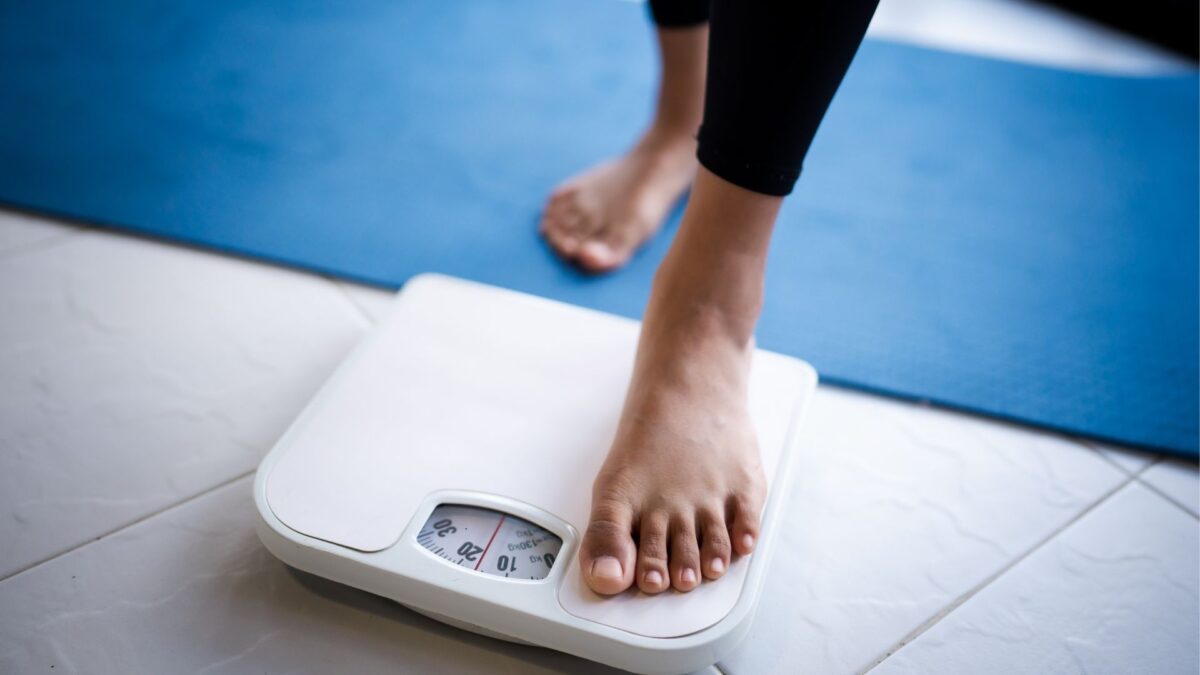
You’ve heard the names: Ozempic, Wegovy, Mounjaro. GLP-1 weight loss medications have become one of the most talked-about topics in health, and for people carrying significant weight, they can be life-changing. But often, what we miss during the conversation is what is really happening inside your body whilst you are losing weight.
Most of the discussion centres on appetite. You take the medication, feel less hungry, eat less, and lose weight, which is simple enough on paper. But weight loss with GLP-1s involves much more than a quieter appetite. Your digestion slows, your food intake drops, protein and nutrient levels can fall without you realising, and the weight you lose isn’t always the weight you want to lose.
This article is for general education only and doesn’t replace personalised advice from a GP, specialist or pharmacist. Medication decisions, dosing and monitoring belong with your prescribing doctor. What it does cover is what your body is actually doing while you lose weight on Ozempic and similar GLP-1s, because eating less and losing weight well are not the same thing.
How Does Ozempic Work for Weight Loss?
GLP-1 stands for glucagon-like peptide-1, a natural hormone released by the gut after eating. It signals fullness to the brain, slows gastric emptying, stimulates insulin secretion, and suppresses glucagon secretion, which helps lower blood sugar levels.
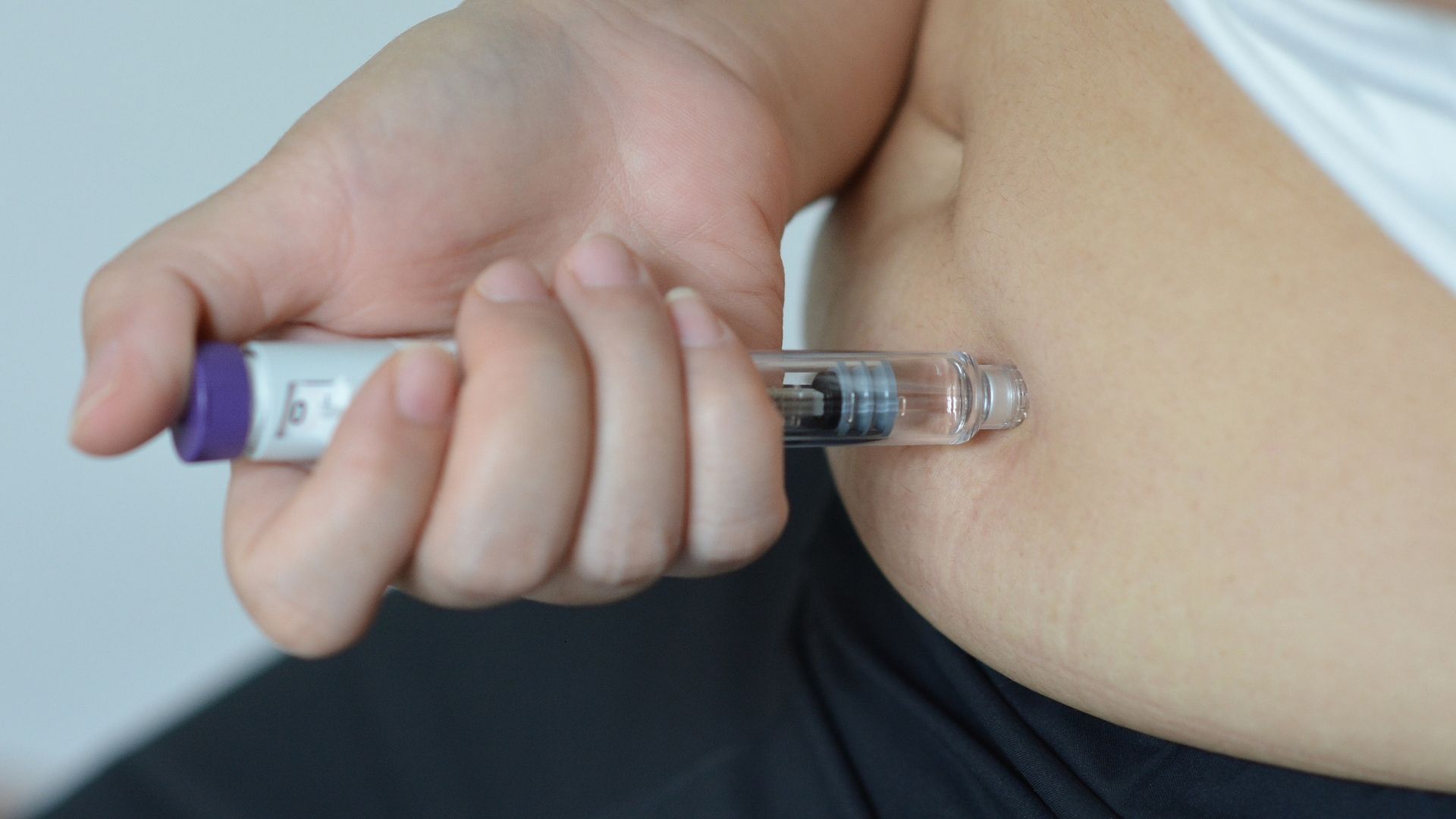
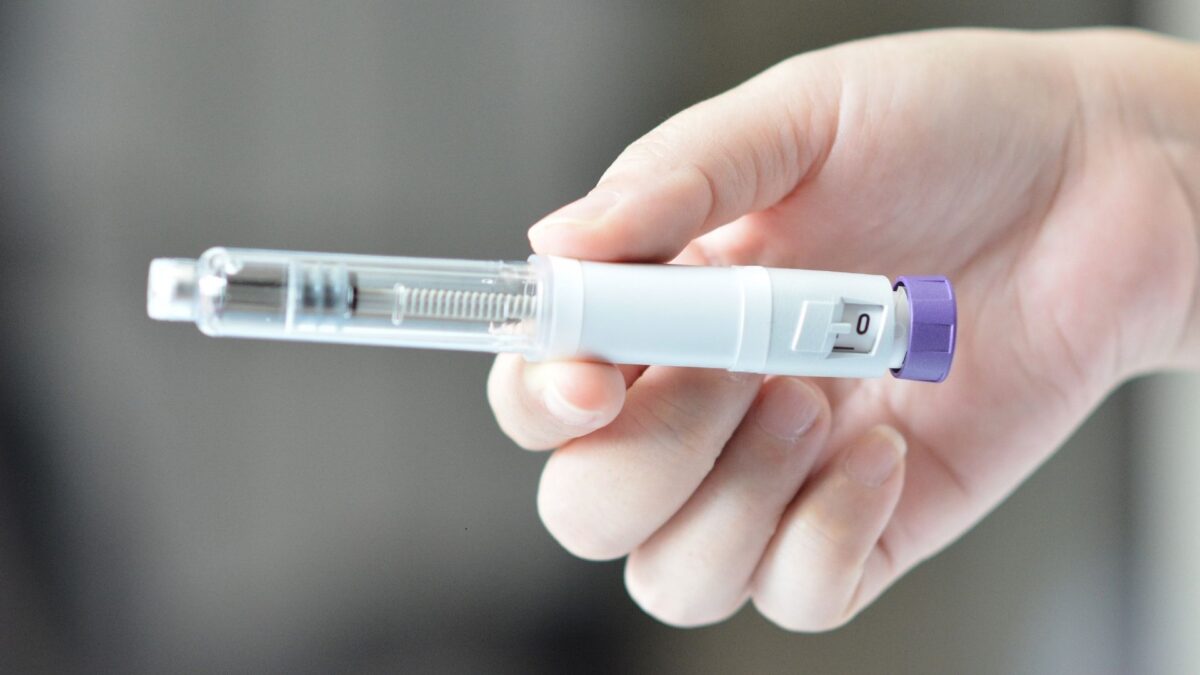
GLP-1 receptor agonists like semaglutide (the active ingredient in Ozempic and Wegovy) and tirzepatide (Mounjaro, which acts on both the GIP and GLP-1 pathways) turn up the volume on those signals.
The TGA approved Ozempic for type 2 diabetes in 2019. Wegovy, a higher-dose semaglutide, was approved for chronic weight management in 2022. These medications mimic the body’s own appetite regulation system and work for weight loss because they reduce food intake and improve blood sugar regulation, not because the medication directly burns body fat.
Your Digestion May Slow Down More Than You Expect
Delayed gastric emptying is one of the main mechanisms behind how GLP-1s promote weight loss. Food sits in the stomach longer, which is why people feel full sooner. But that same slowdown through the GI tract can bring uncomfortable side effects.
Constipation is one of the most common. Everything moves more slowly, stools become drier and harder to pass, and some people experience bloating, nausea, reflux, or a heavy feeling after meals.
These symptoms don’t always appear early, either. Someone might use the medication comfortably for months, then gradually notice digestive problems as things sit in the digestive tract longer and bacteria get extended access to food. Over time, that can set up conditions for overgrowth.
When bloating, fermentation symptoms, or irregular bowel movements are ongoing, a practitioner may consider patterns such as slowed motility, dysbiosis, SIBO, or SIFO.
Making sure the bowels keep moving while taking Ozempic or similar weight loss drugs matters. Smaller meals, hydration, fibre adjusted to tolerance and practitioner support can all help.
The Risk of Losing Muscle While Losing Weight
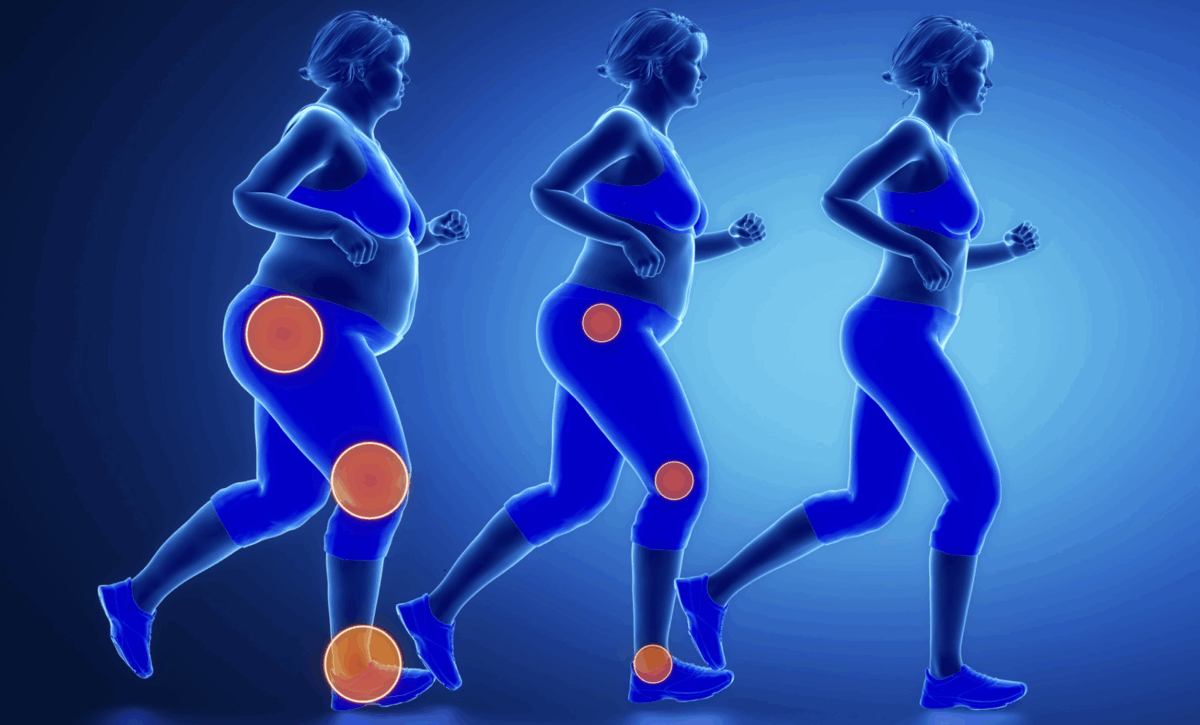
The scale doesn’t show you what kind of body weight you’re losing. It could be fat, water, glycogen or lean mass. When appetite drops significantly, and protein intake falls with it, combine that with no strength training, and the result is muscle loss alongside fat loss.
The STEP 1 body composition substudy found that participants on semaglutide treatment lost an average of 8.36 kg of fat mass but also 5.26 kg of lean body mass over 68 weeks. Muscle supports metabolism, glucose control, strength, mobility, healthy ageing and independence later in life. Low muscle mass is associated with poorer health outcomes and a shorter healthspan. Not necessarily lifespan, but how many good, active, functional years a person has.
This matters especially for women and older adults. Bone and muscle health are tightly linked, and if someone isn’t maintaining bone density and muscle mass in their earlier years, they’re setting themselves up for greater frailty and disability risk down the track.
Progressive resistance training can support muscle strength, bone mineral density, balance and fall-risk reduction. The goal should be better body composition, not the fastest possible drop on the scale.
When Appetite Drops, Protein and Nutrients Drop Too
Reduced appetite may seem like a simple weight-loss benefit, but it can quietly create nutritional gaps. When people don’t feel like eating, they reach for whatever is easy (toast, crackers, coffee) and dense, protein-rich foods get pushed aside because they feel too heavy in a stomach that’s already sluggish.
The food someone eats needs to give the biggest bang for the buck. Prioritise protein at every meal, including eggs, Greek yoghurt, fish, chicken, lean meat, tofu, legumes or a protein powder where appropriate. Then colour with fruit and vegetables, fibre-rich carbohydrates as tolerated, healthy fats and good hydration. Eating less doesn’t have to mean eating worse, but it takes intention when appetite is suppressed.
For people on long-term weight-loss medications, supplementation becomes a real consideration. When energy intake is significantly reduced, a good multivitamin, multi-mineral or protein powder might be worth discussing with a practitioner who can assess individual nutritional gaps.
What Happens When You Stop the Medication?
When GLP-1 medication stops, appetite suppression fades, and the food noise comes back. Your cravings return, portions creep up, and the mental quiet around food disappears. The STEP 1 extension study found that one year after semaglutide was withdrawn, participants regained roughly two-thirds of their prior weight loss. That’s not a failure of willpower; it confirms that obesity is a chronic condition, and stopping treatment without a plan tends to undo the progress.
That’s why the “while appetite is quiet” stage matters. It’s the window to build sustainable weight-loss habits, such as protein routines, strength training, meal structure, sleep support, stress management, gut regularity, and strategies for emotional eating. Some natural compounds, including certain molecules found in olive oil, are being researched for their effects on appetite pathways. They’re nowhere near as strong as prescription GLP-1s, but some patients report they help manage hunger enough to support the transition off medication. Medication duration and stopping decisions should always stay with the prescribing doctor.
Strength Training Is the Missing Piece

Exercise does more than burn calories. Strength training tells the body to hold on to muscle, to repair and rebuild rather than just break it down. Walking is great for general physical activity, but it’s not the same as progressive resistance training for preserving muscle mass during rapid weight loss.
Bodyweight squats, resistance bands, dumbbells, machines or supervised lifting all count. The body adapts when training is challenging enough to create a signal but still appropriate for the person’s ability. Maintaining muscle mass isn’t optional if the goal is sustainable weight loss and long-term health. Eating enough of the right things while giving the body a reason to keep its muscles is what separates lasting weight loss from weight loss that backfires.
Protect the Body, Not Just the Number on the Scale
GLP-1 medication may help quiet appetite, but the body still needs protein, nutrients, gut support, strength training and long-term habits. In clinic, the focus isn’t only on the scale, it’s about whether the person is eating enough protein, moving their bowels, maintaining energy, preserving strength and building habits they can sustain. A naturopath can work alongside a prescribing doctor to support nutrition, gut health, hormone-related weight management barriers and long-term weight maintenance.
If your appetite has changed and you want to make sure the rest of your health keeps up, a weight-loss consultation in Miranda can help you build a plan that lasts.
Frequently Asked Questions
How does your body lose weight on Ozempic?
Ozempic works by mimicking the natural hormone GLP-1, which suppresses appetite, slows gastric emptying and helps regulate blood sugar levels. This leads to reduced food intake and a calorie deficit, which is how the body loses weight. The medication doesn’t burn fat directly.
Can Ozempic cause constipation or bloating?
Yes. GLP-1 medications slow digestion and gastric emptying, so constipation and bloating are common side effects. Smaller meals, hydration, fibre adjusted to tolerance and practitioner support can help manage these symptoms.
How do I maintain muscle while losing weight on Ozempic?
Prioritise protein intake at every meal and include regular strength training. Muscle mass requires both adequate protein intake and a stimulus to maintain it, especially during rapid weight loss.
Can you regain weight after stopping Ozempic?
Research suggests weight regain is common after stopping semaglutide treatment. The STEP 1 extension found that participants regained roughly two-thirds of their prior weight loss within a year. Building strong nutrition and lifestyle habits while on the medication is essential for long-term weight management.
What should I eat if I have no appetite on a GLP-1 medication?
Focus on nutrient-dense foods in smaller amounts. Protein first (eggs, yoghurt, fish, legumes, protein powder), then fruit and vegetables, fibre-rich carbohydrates as tolerated, and healthy fats. A healthy eating approach to GLP-1s is about quality over quantity.
Can a naturopath help while using a GLP-1 medication?
A naturopath doesn’t replace the prescribing doctor but can support personalised nutrition, gut health, bowel regularity, hormone-related weight barriers and long-term lifestyle changes. This is especially relevant for chronic weight management, where multiple body systems need attention.

Hayden Keys
Graduating from Western Sydney University in 2005 with a Bachelor of Health Science in Naturopathy, Hayden is a proud member of the Australian Traditional Medicine Society. With over a decade of clinical experience, Hayden established the Happy & Healthy Wellbeing Centre in Miranda in 2009. Read more...