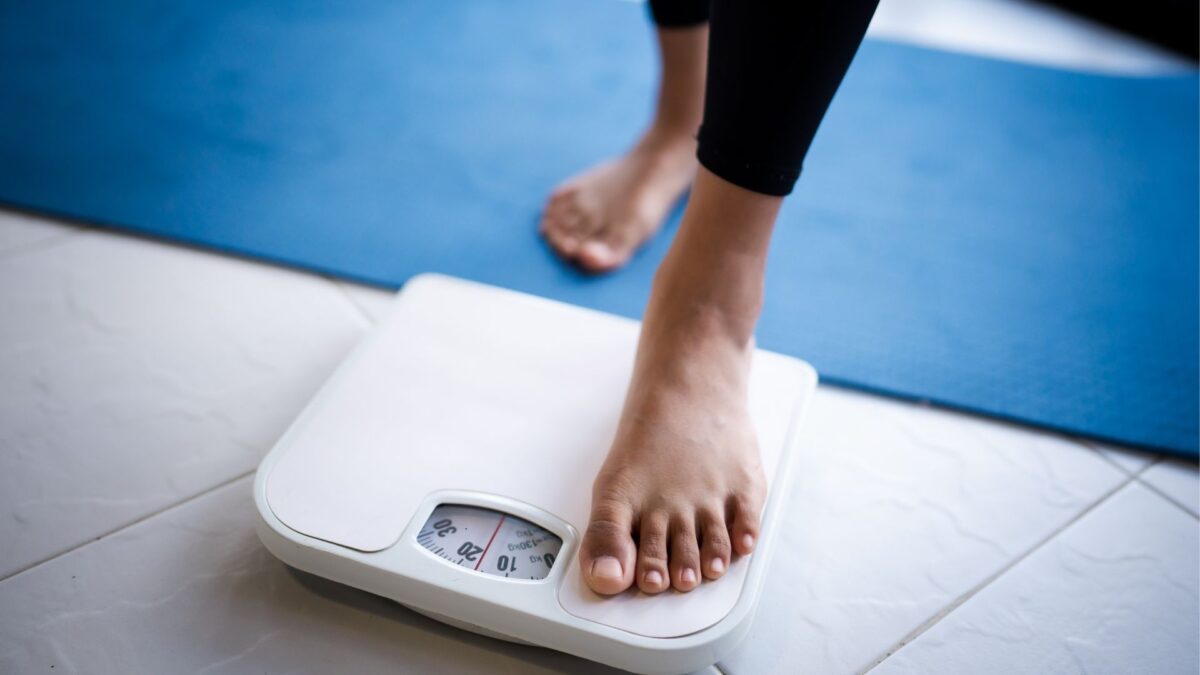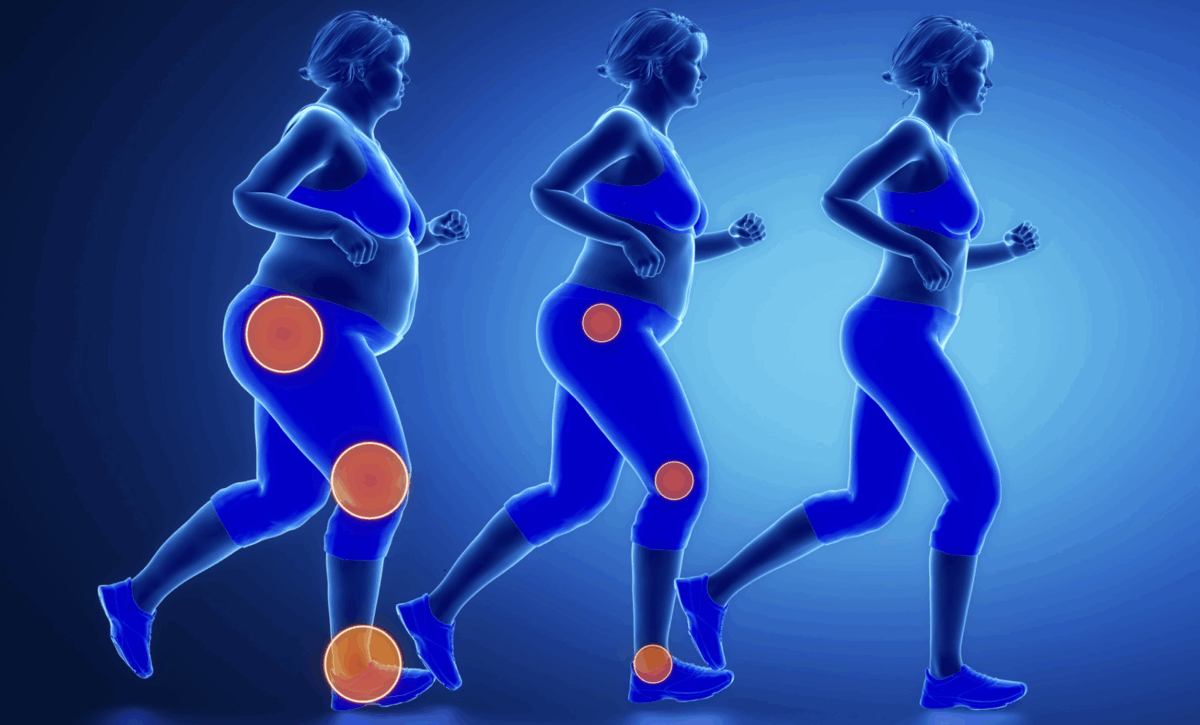
Most people who want to lose weight have heard it all before. Eat less, move more, create a deficit. Simple enough in theory, but making it actually stick long-term is a completely different story.
The reality is that weight loss comes down to energy balance. To lose body fat, you need to consume fewer calories than your body burns. Where it falls apart for most people is how they go about creating that deficit, because the strategy matters just as much as the numbers. Pick the wrong one for your body and your lifestyle, and you’ll burn out before anything changes.
According to Miranda naturopath Hayden Keys, there are really only three ways to create the calorie deficit needed for fat loss. Each one works differently, carries its own set of risks, and suits different people. And regardless of which strategy someone chooses, there’s one non-negotiable rule that applies across all of them. Get that wrong, and the whole process falls apart.
Strategy 1: Tracking Your Energy Intake
The first approach is the most structured. Counting calories, tracking macros, and monitoring carbohydrate or fat intake. Whatever version it takes, the goal is the same: set a daily energy limit and stay below it.
This strategy works well for people who like numbers and structure. Having a clear target to hit each day removes a lot of guesswork, and for some people, that sense of control is exactly what keeps them consistent. There are plenty of apps and methods that make tracking straightforward, and when done properly, this approach can deliver steady, measurable fat loss over time.
The downside is that it requires discipline and attention. Not everyone wants to weigh food or log every meal. It can also create an unhealthy relationship with eating if someone becomes too rigid about it, turning every meal into a maths equation rather than something to enjoy. For people who find that level of tracking stressful or unsustainable, a different strategy may be a better fit.

But the calorie deficit itself is only part of the picture. What those calories are made up of matters enormously, and this is where a lot of people come unstuck. Someone could technically hit their calorie target eating nothing but processed snacks and still not see the body composition changes they’re after. The quality of the food, particularly protein intake, plays a critical role in determining whether the weight being lost is body fat or muscle mass.
Strategy 2: Eliminating Specific Foods
The second strategy is food restriction. Rather than tracking numbers, the person removes certain types of foods or entire food groups. Going sugar-free, cutting out gluten or dairy, dropping processed carbohydrates, and eliminating junk food. By removing calorie-dense or commonly overeaten foods, total energy intake naturally drops without counting anything.
This is the backbone of almost every popular diet, including Mediterranean, paleo, carnivore, keto, and vegetarian. They all work on the same underlying principle of restricting something to reduce overall intake. And for many people, this approach feels more natural than logging every gram. There are no numbers to track; instead, just rules about what’s in and what’s out.
Hayden Keys is a strong advocate for one particular version of this, which is removing processed food. If a food doesn’t look like what it originally looked like, it probably shouldn’t be a staple. Breakfast cereals are a good example. Something like Wheatbix is promoted as a whole-grain option, but if the word “wheat” wasn’t in the name, most people would have no idea what it was made of. Compare that to rolled oats or a muesli, where each individual ingredient is visible, and the choice becomes obvious.
That said, just eating whole foods doesn’t automatically guarantee weight loss. Someone can easily eat enough whole, unprocessed food to maintain their current weight or even gain weight. The restriction element still needs to be there in some form, and the specifics of what to eliminate will vary depending on the person. Some people thrive on higher protein diets, whereas others do better with a more plant-based approach. The key is that the restriction creates a sustainable deficit without stripping out essential nutrients.
Why Vegetarians Are Often Leaner
Plant-heavy diets tend to be naturally lower in energy density. Vegetables, fruits, legumes, and high-fibre foods are very filling but contain relatively few calories per serving. People eating this way often consume less total energy without consciously restricting, simply because the food itself is so satiating.
That’s not to say vegetarian diets are superior for fat loss. They come with their own challenges, particularly around getting enough protein. But the principle of eating foods that fill you up without overloading on energy applies regardless of dietary preference.
Strategy 3: Time Restriction (Intermittent Fasting)
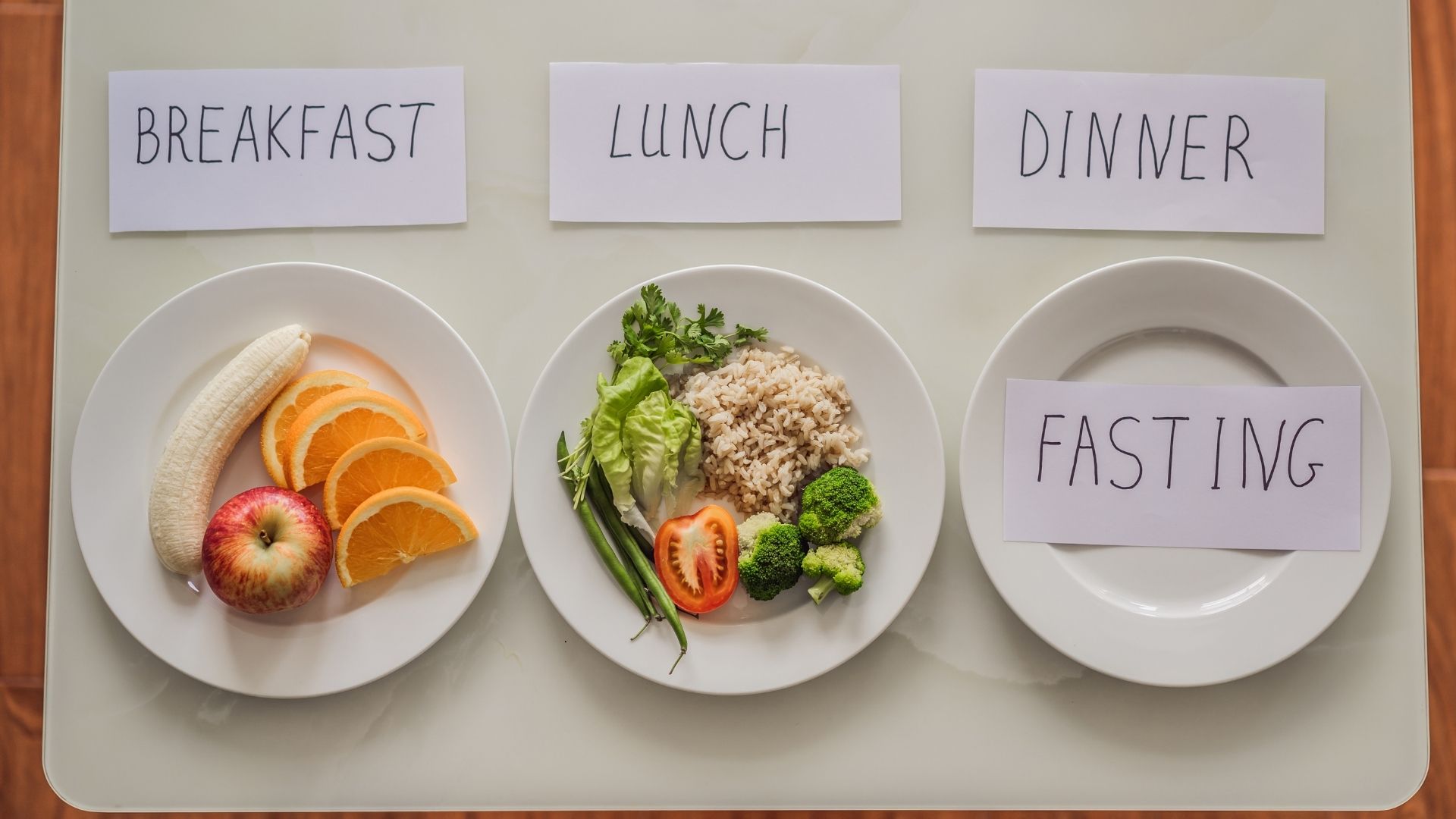
The third strategy is compressing the eating window. Intermittent fasting became enormously popular because it offered a way to restrict intake without having to think too hard about what to eat. Just limit when you eat, and the reduced window should naturally limit how much you eat.
On paper, it sounds like the easiest option. In practice, it’s the one that backfires most often, particularly for women.
Hayden Keys sees this regularly in his clinical work. The feedback he gets is that most women who’ve tried intermittent fasting didn’t find it successful. And the reasons come down to two things: cortisol and protein.
The Cortisol Problem
For a lot of women, not eating for extended periods adds another stress to an already stressed system. They’re already managing work, kids, relationships, financial pressures, and all the background noise of daily life. Layering prolonged fasting on top of that further increases their cortisol load. And when cortisol stays elevated for too long, the body responds by holding onto fat rather than releasing it. Metabolic rate drops, fat burning slows, and the person might feel a bit better in themselves, but the scale doesn’t move.
Elevated cortisol also breaks down muscle tissue. So not only is the body storing more fat, but it’s also losing lean tissue that drives metabolism. That combination makes fat loss progressively harder over time.
The Protein Problem
This is the less talked-about issue with intermittent fasting, and it’s arguably the bigger one.
When someone compresses their eating window to six or eight hours, hitting adequate protein intake becomes genuinely difficult. And this isn’t about eating 100 grams of chicken. When naturopaths and nutritionists talk about 100 grams of protein, that’s 100 grams of pure protein. A steak is only about 20% protein by weight; the rest is mostly water. So 100 grams of pure protein translates to roughly 500 grams of actual meat. Trying to eat that volume of dense, appetite-suppressing food in a compressed window is a real challenge for most people.
Recent research suggests the body can utilise protein effectively even when consumed in a shorter window, so the timing itself isn’t the issue. It is that most people simply cannot eat enough protein in that compressed timeframe, particularly when the foods highest in protein are also the most filling. Protein powders can help bridge the gap, but that’s an extra layer of planning that most people doing intermittent fasting haven’t accounted for.
Does the Fasting Window Even Matter?
There’s been a lot of conflicting information about specific windows. Some people even advocate full 24-hour fasts to trigger autophagy, the body’s cellular cleanup process. But much of that was extrapolated from studies on mice, and well-respected researchers in this space have pointed out that those timeframes don’t directly translate to humans. To induce autophagy in the human body, fasting for at least 24 hours would likely be necessary, and doing so regularly comes with significant trade-offs in muscle mass.
If someone does want to use time restriction as a strategy, the window that works best is simply the one that allows them to meet their nutritional needs while still creating a deficit. For some people, that might be 10 hours, and for others, it might be 14.
You can also try shifting the window earlier in the day, so that the eating period starts with breakfast and wraps up by late afternoon, which tends to produce better hormonal outcomes than the more common approach of skipping breakfast and eating late into the evening.
The One Rule That Applies to All Three Strategies
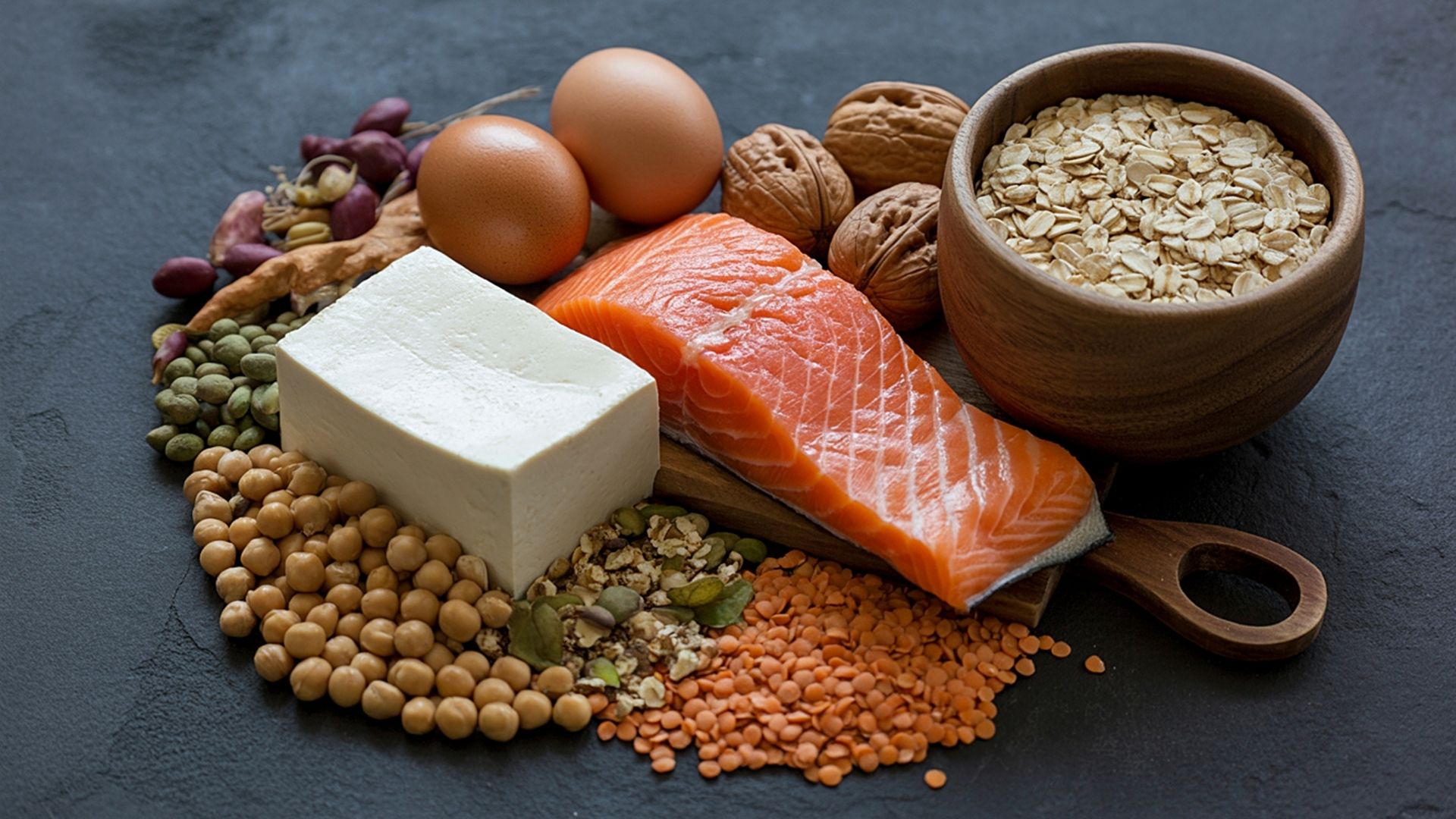
No matter which weight-loss strategy someone uses, protein intake needs to remain high enough to preserve muscle mass. Hayden Keys is emphatic on this point. When losing weight, most people want to lose fat, not muscle. But without adequate protein and some form of resistance training or strength training, the body will happily burn through muscle tissue along with fat.
The consequences go beyond just looking less toned. Muscle is a metabolically active tissue. As muscle mass drops, so does basal metabolic rate. The amount of food needed to stay in a deficit gets smaller and smaller, and the person ends up trapped in a cycle of eating less and less while losing less and less. Once that cycle starts, it’s genuinely hard to pull out of.
And the impact of low protein isn’t limited to the muscles. Every enzyme the body uses to run its biological reactions, making hormones, detoxifying hormones, producing energy, and creating neurotransmitters, requires protein. A protein deficit doesn’t just affect body composition; it can also compromise hormone production, energy metabolism, and the very systems that drive fat loss in the first place.
Prioritising protein first, before worrying about total calories, often makes it easier to achieve the calorie deficit anyway. Protein is highly satiating, and it fills you up for longer, so eating enough of it tends to naturally reduce overall intake without that grinding sense of hunger that derails most diets.
What Sits Behind the Strategies
Creating a calorie deficit through any of these three approaches will promote weight loss. But the body doesn’t operate in isolation. Sleep quality, stress levels, and physical activity all influence how effectively fat loss actually happens.
Exercise supports the process in obvious ways: cardiovascular activity increases energy output, and strength training helps preserve and build muscle mass to keep metabolic rate stable. But there’s a balance. Too much intense exercise while restricting intake can ramp up hunger signals, making it harder to stay on track mentally.
Your sleep is just as important. Poor sleep disrupts blood sugar regulation through insulin, elevates cortisol, and can effectively switch off the fat-burning process. Some researchers consider inadequate sleep as damaging to weight loss as poor eating habits, because of its profound effects on hormones and metabolic function. Getting enough quality sleep is one of those foundational things that affects every aspect of health, not just weight.
And stress management, while harder to measure, can be the difference between a weight loss plan that works and one that stalls. Chronic stress raises cortisol levels, prompting the body to store visceral fat and triggering comfort-eating behaviours that undermine every deficit strategy. Even regular walks, time outdoors, or basic breathing exercises can help keep cortisol in check enough for fat loss to actually happen.
Putting It All Together
There’s no single best way to lose weight. Some people thrive with structure and numbers, others prefer to simplify by cutting out certain foods, and some find that adjusting their eating window gives them the control they need. The right strategy is whichever one fits your life and keeps you consistent without making you miserable.
But regardless of which path you take, eating enough protein to maintain muscle mass isn’t optional. It’s the single biggest factor that separates someone who loses fat and keeps it off, achieving successful weight loss, to someone who loses weight only to watch it come straight back once they stop restricting.
If you’ve been stuck in a cycle of dieting without lasting results, or you’re eating well and exercising but still not seeing changes, it might be time to look at the bigger picture. At Happy & Healthy Wellbeing Centre in Miranda, a naturopath can help assess what’s happening beneath the surface, including hormones, gut health, metabolic function, and whether your current approach is actually supporting your body or working against it. Sometimes the answer isn’t trying harder. It’s trying differently.
Book a consultation to find out what’s really going on and build a plan that works with your body, not against it.

Hayden Keys
Graduating from Western Sydney University in 2005 with a Bachelor of Health Science in Naturopathy, Hayden is a proud member of the Australian Traditional Medicine Society. With over a decade of clinical experience, Hayden established the Happy & Healthy Wellbeing Centre in Miranda in 2009. Read more...